
Costa Rican Culture: 15 Things Tourists Often Misunderstand
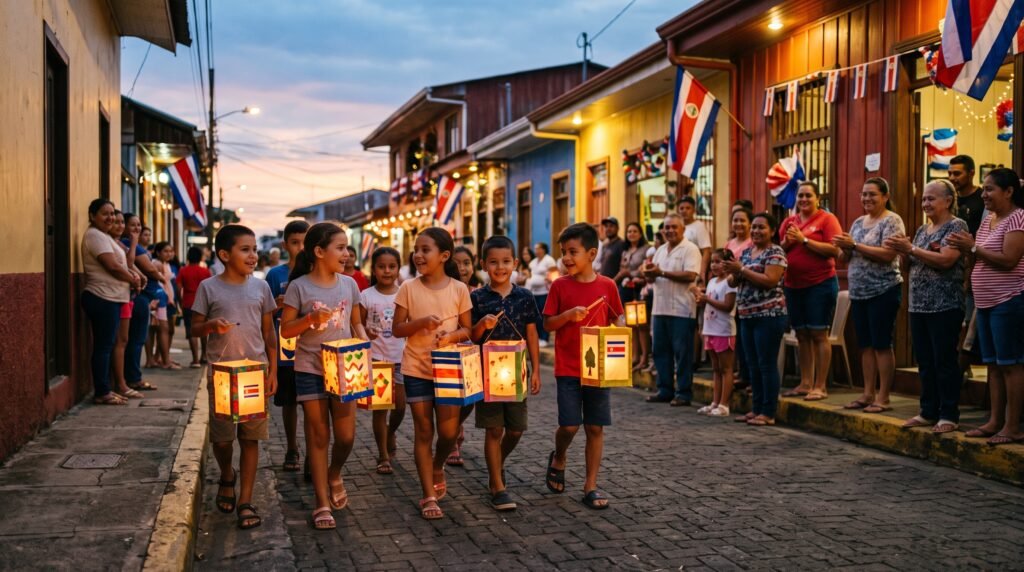
You smile at a shopkeeper and he calls you “mi amor.” A friend says “let’s get coffee sometime” and never calls. A neighbor gives you a nickname you are not sure about. Welcome to Costa Rica, where warm, well-meant gestures can look confusing from the outside. This guide explains fifteen things tourists often misunderstand about Costa Rican culture, from family loyalty and gentle disagreement to long goodbyes and respect for elders. Written by a lifelong local, it will help you read the room, avoid awkward moments, and connect with Ticos naturally. Read it before you go, and travel with confidence.
Why Costa Rica Has No Army, and What That Says About Its Culture

Most countries built monuments to their armies. Costa Rica built schools instead. In 1948 it made a decision that the rest of the world is still trying to understand. Here is what actually happened, and what it looks like seventy-six years later.
Costa Rican Turnos Explained: The Traditional Town Festivals Most Tourists Never Experience

Step off the typical tourist trail and into a Costa Rican turno, where an entire town gathers for one unforgettable night of fireworks, fried food, bingo cards and a Ferris wheel that lights up the sky. It’s the kind of authentic, unscripted experience most travelers never even know exists, hidden behind church bulletin boards and word-of-mouth invitations. Curious what really happens once the marimba starts playing and the rides light up?
Why Costa Rica Has One of the Happiest Cultures in the World
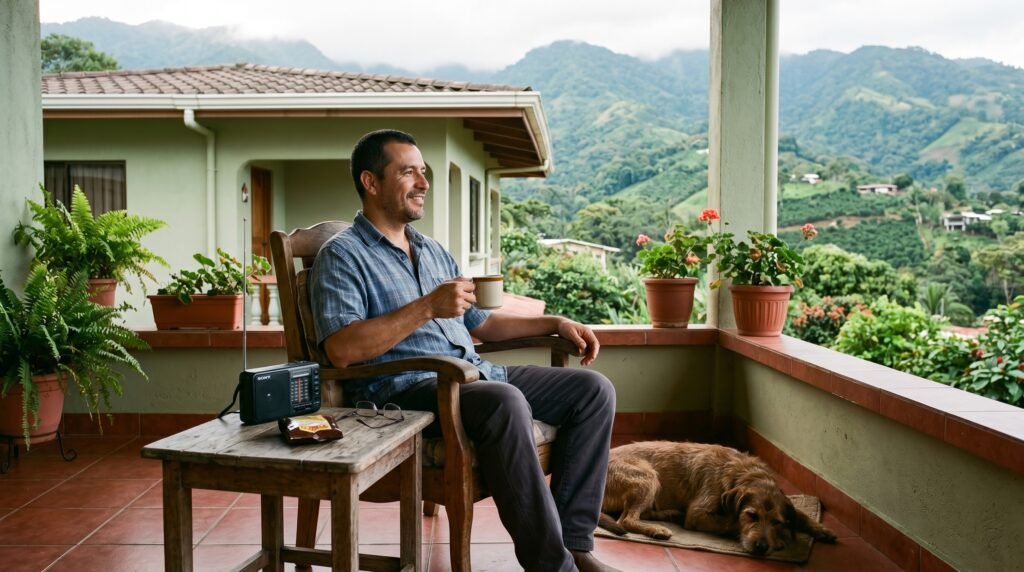
The data says Costa Rica is happier than almost anywhere else on Earth. The full article explains exactly why, with the specific cultural mechanisms behind the number, not just the slogan.
The Biggest Cultural Shocks Foreigners Experience in Costa Rica

Most cultural adjustment advice covers the easy parts. This covers the moments that genuinely disorient people, the ones that determine whether a move to Costa Rica becomes a success story or a frustrated departure. Read the full breakdown before you need it.
Things U.S. Americans Find Strange About Costa Rican Culture Explained, Not Mocked

Confused by something you saw or experienced in Costa Rica. This article has probably already explained it. Read the full breakdown, explained by someone who has lived inside every one of these moments.
Why Family Is So Important in Costa Rican Culture

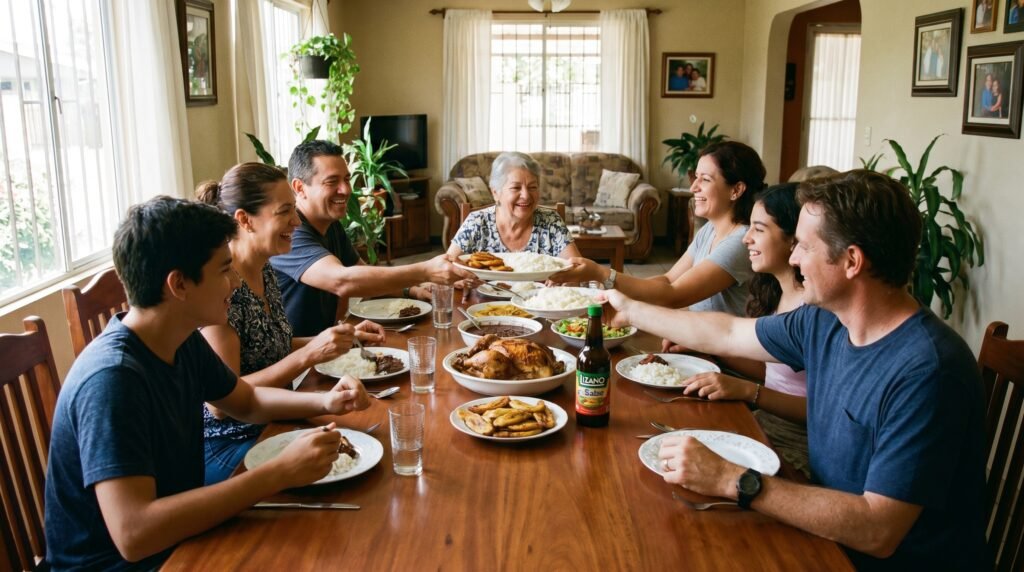
The warmth you feel in Costa Rica has a source, and it is not the climate or the scenery. It is built inside family tables across the Central Valley, one Sunday lunch at a time. This is the article that explains how.
Costa Rican Culture Explained: A Honest Guide for Foreigners
The freshest observations about Costa Rica don’t come from travel writers. They come from the people who just arrived and a Tico who has been watching those arrivals his whole life. This is what first impressions really tell you about the place.
10 Costa Rican Customs That Genuinely Surprise U.S. Americans Explained by a Tico
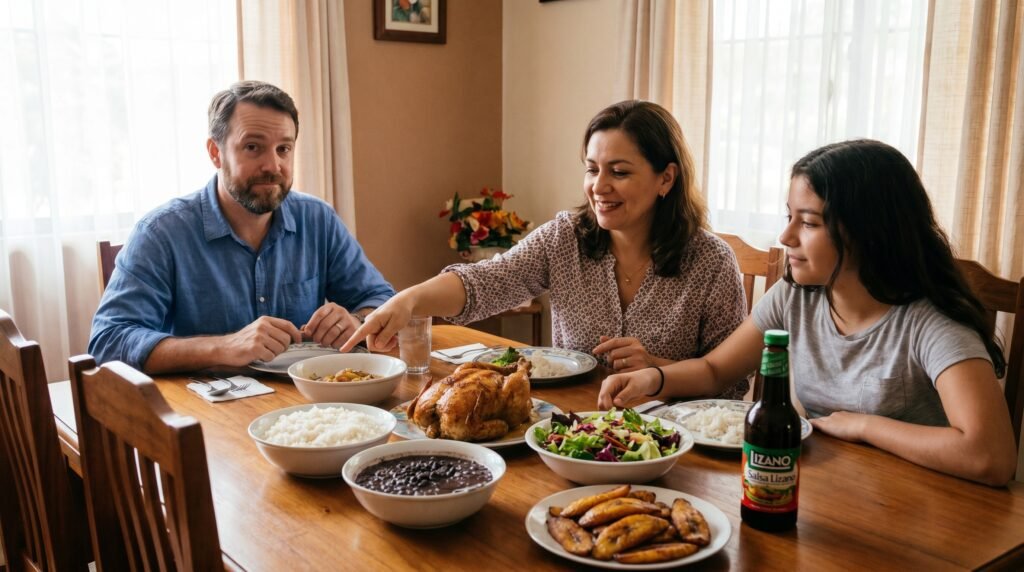
Ten moments that will make you rethink everything you assumed about social norms written by someone who grew up inside the culture that’s doing the surprising.
Why Are Costa Ricans So Friendly? The Cultural Reasons Behind It

The answer goes deeper than “pura vida” and further back than tourism. If you’ve ever wondered whether the warmth here is real and where it comes from this is the article that answers it properly.
Why Costa Ricans Say Yes When They Mean No And What To Do About It
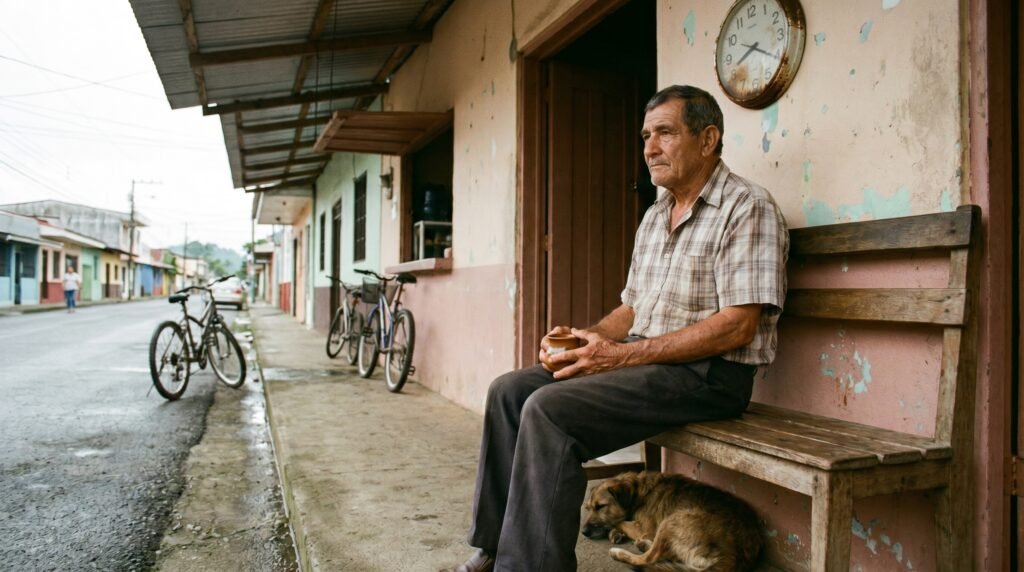
If you’ve ever felt ghosted, confused, or quietly frustrated after what seemed like a perfectly clear conversation in Costa Rica this article was written for you.
Costa Rica Culture Tips for Tourists
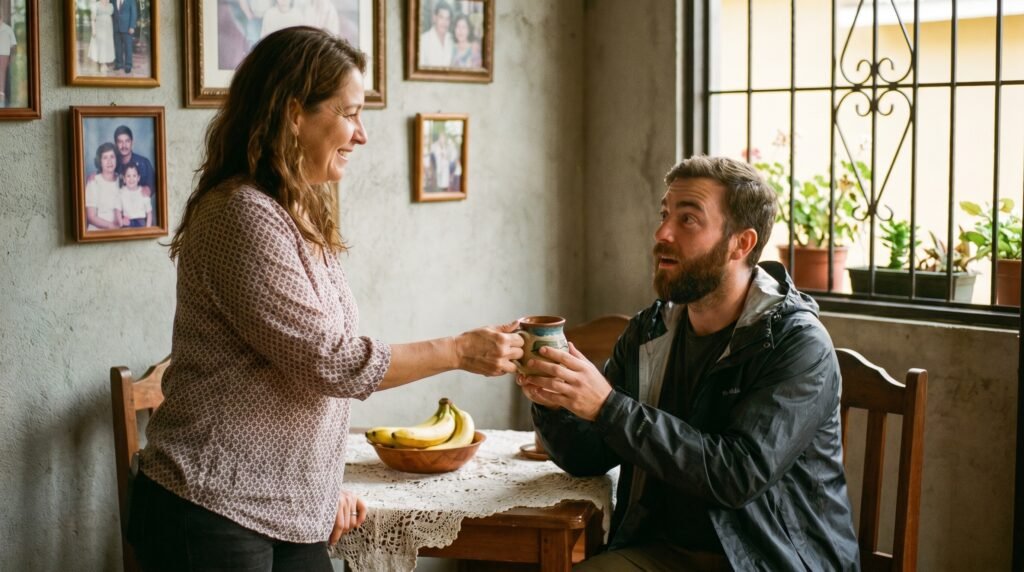
Not the tips on every tourism website. These are the ones that live in the details the greetings, the silences, the meals, and the small moments that decide whether you visited Costa Rica or actually experienced it.
Anyone can book a zip line. Not everyone understands why the bus driver says goodbye to each passenger individually, or why your host refills your coffee before you ask, or what it means when someone says “ahorita” and disappears for an hour. These tips explain the country the brochure doesn’t.
What Tourists Think Costa Rica Is vs. What It Actually Is
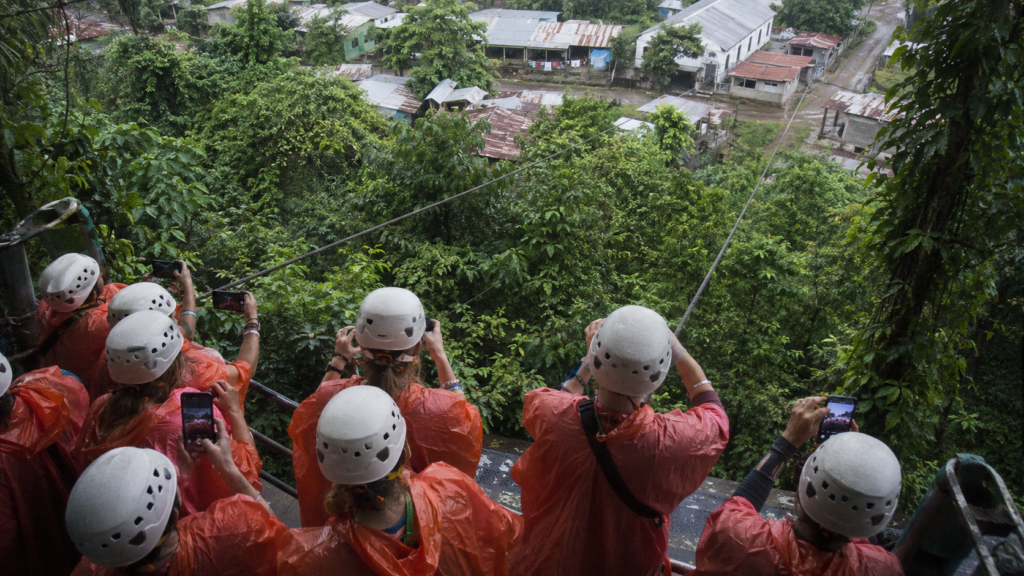
Most people who visit Costa Rica see about fifteen percent of it and leave convinced they saw the whole thing. If you want to understand what’s actually behind the postcard, this is the article you’ve been missing.
Costa Rica Etiquette: The Real Do’s and Don’ts Nobody Puts in the Travel Guide
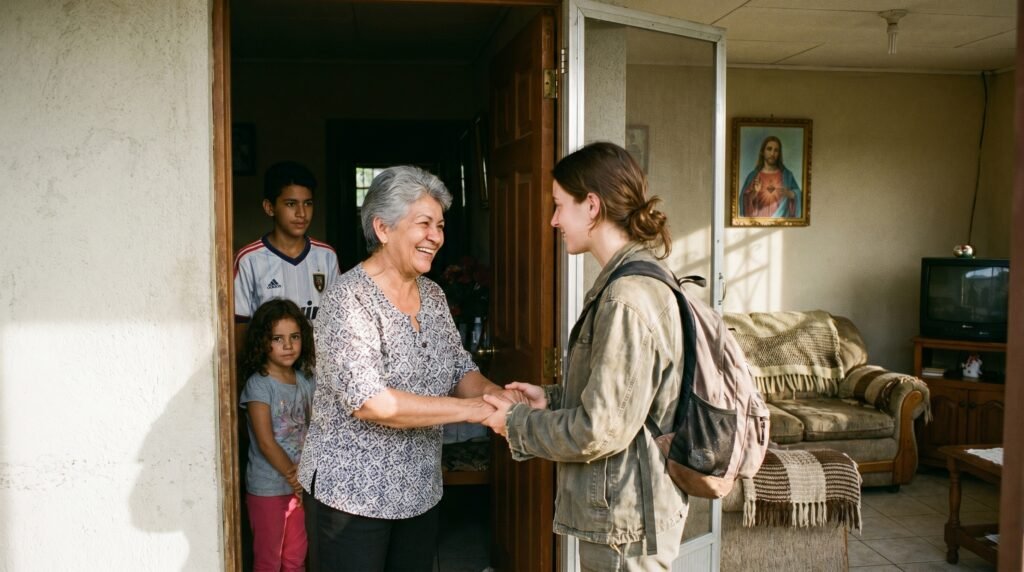
Ticos don’t make scenes. They don’t correct you out loud. They just quietly form an opinion and that opinion follows you for the rest of your visit. Here’s how to make it a good one.
You won’t find these rules on any tourism website. They live in kitchens, neighborhood streets, and family tables and they’re the difference between someone who visits Costa Rica and someone who actually connects with it.
Why Your Costa Rica Itinerary Will Probably Be Wrong

You spent weeks building the perfect Costa Rica itinerary and it’s probably already wrong, even before you board the plane. Between roads that laugh at GPS, weather that rewrites entire days, and a culture that values people over punctuality, the country has a way of dismantling even the most careful plans. But here’s the thing: the trips that fall apart a little are almost always the ones people can’t stop talking about.
👉Read the full article on Costa Rica Unfiltered and find out how to plan smarter and travel better
The Mistake Everyone Makes When Planning a Trip to Costa Rica
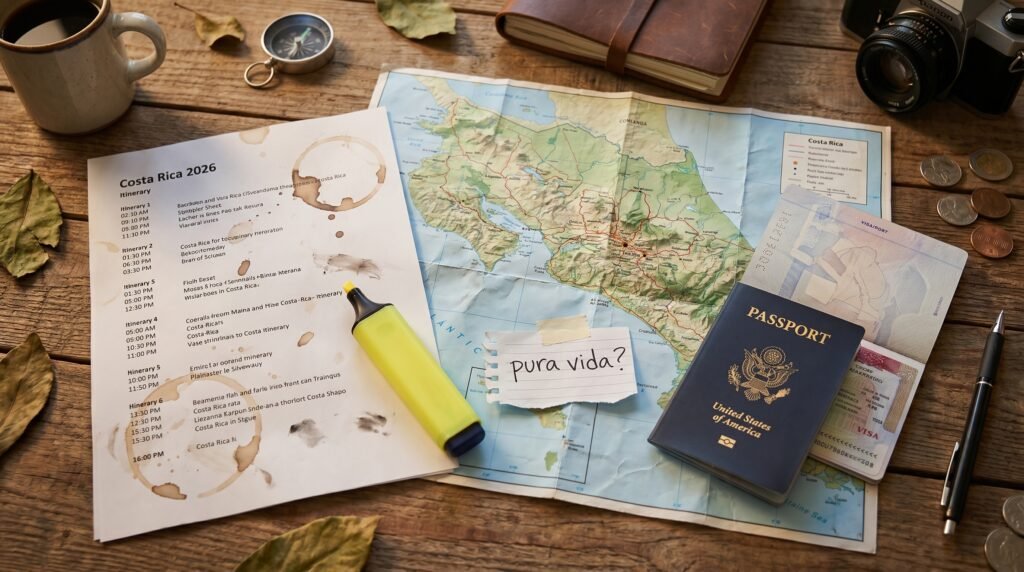
Most people who visit Costa Rica think they planned it right, until they arrive and realize they planned for the postcard, not the place. The over-scheduled itinerary, the unrealistic expectations, the tourist trail that barely scratches the surface, these are the quiet culprits behind trips that feel somehow incomplete. Costa Rica isn’t hard to understand, but it does require a different kind of preparation: cultural, not logistical.
👉Read the full article and find out what you actually need to know before you go
Why Costa Ricans Say Yes When They Mean No And What To Do About It
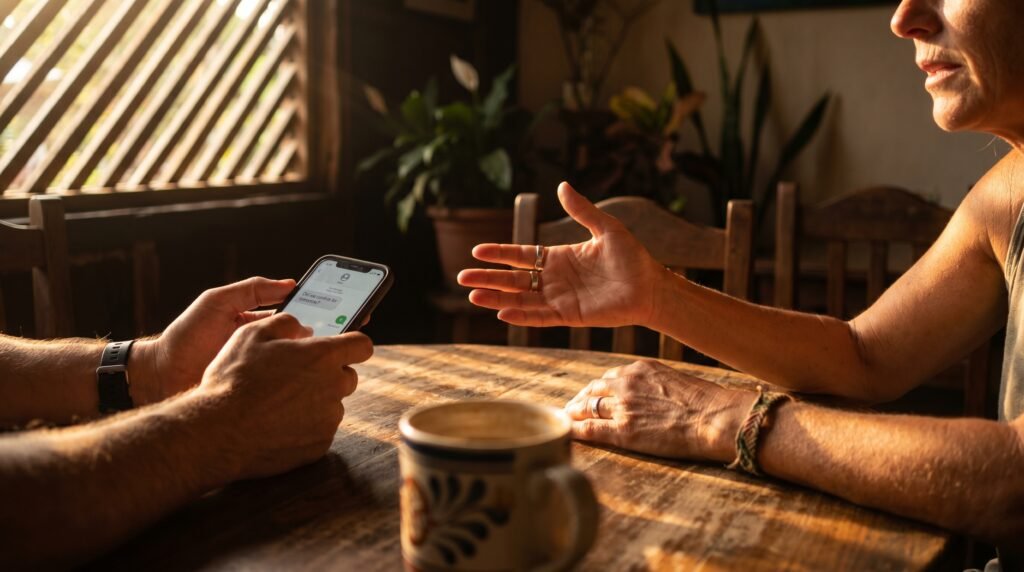
You asked. They smiled. They said yes. And then… nothing happened. Here’s the cultural key most visitors never receive. If you’ve ever felt ghosted, confused, or quietly frustrated after what seemed like a perfectly clear conversation in Costa Rica this article was written for you.
Why Everything Feels Personal in Costa Rica (Even Business)
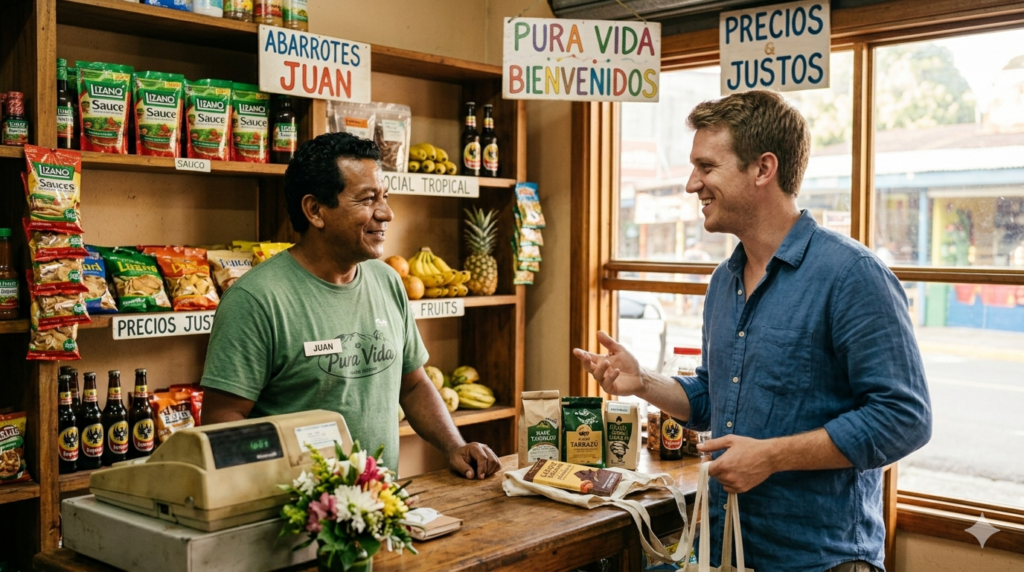
In Costa Rica, things rarely feel purely transactional. Whether you’re ordering coffee, asking for help, or doing business, interactions tend to feel… personal. For many foreigners, this can be surprising even confusing at first.
Why does everything feel so human?
👉 Keep reading to understand why everything feels personal in Costa Rica and how this mindset shapes daily life and business.
How Costa Ricans Handle Conflict (And Why It Feels So Subtle)
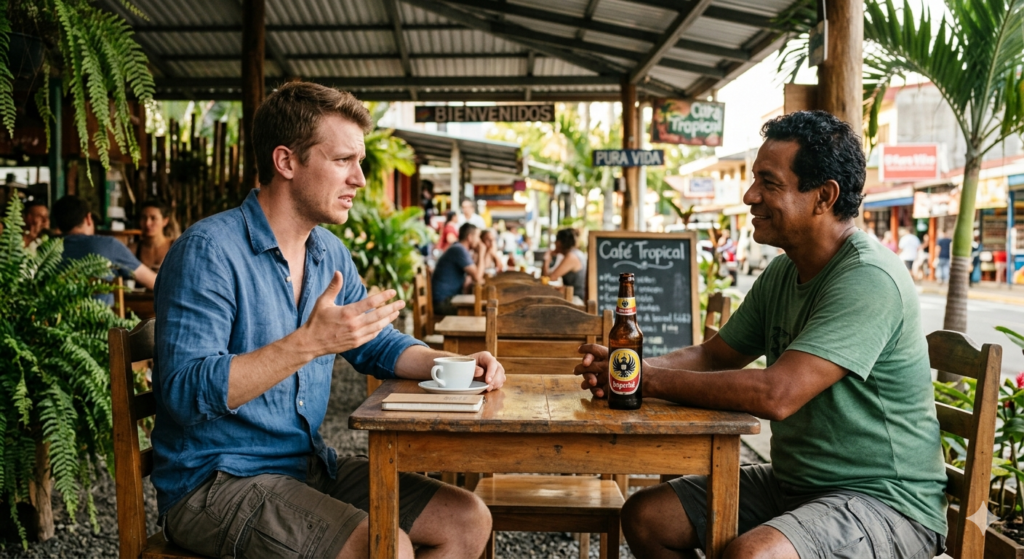
Conflict in Costa Rica rarely looks like conflict. There are no raised voices, no dramatic confrontations, no obvious tension in the air. And yet, disagreements exist just expressed in ways that can feel almost invisible to outsiders.
If you’re not paying attention, you might miss them entirely.
Why Nothing Feels Urgent in Costa Rica (And Why That’s Intentional)
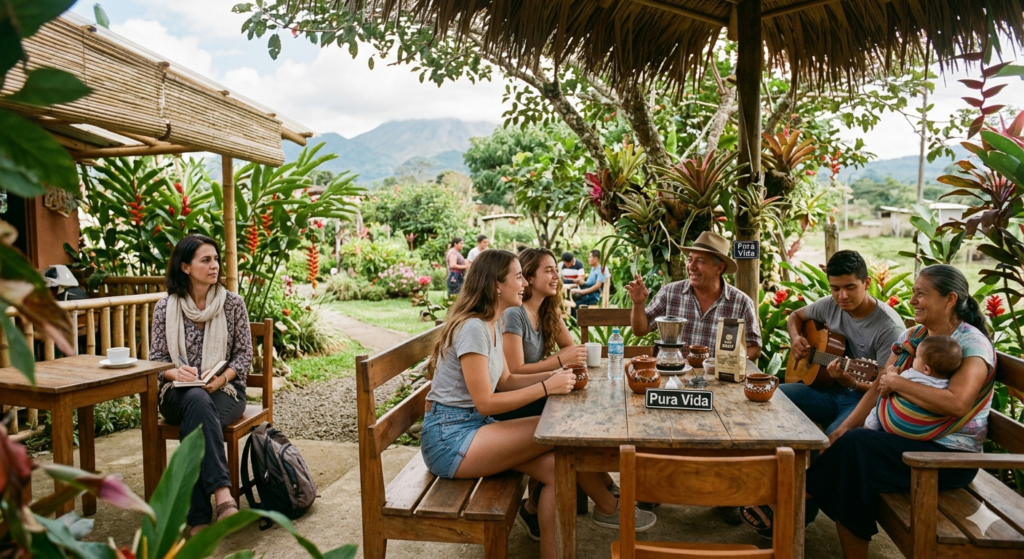
In Costa Rica, urgency seems to disappear. Things take longer, plans unfold slowly, and nobody appears to be in a rush. For many foreigners, this can feel confusing at first almost like something isn’t working.
But what if it’s working exactly as intended?
👉 Keep reading to understand why nothing feels urgent in Costa Rica and why that might be the point.
Culture Shock in Costa Rica: 7 Things No One Tells You
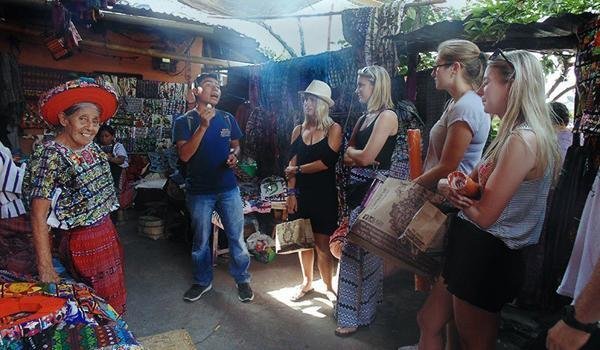
Moving to Costa Rica often feels like stepping into a slower, more relaxed version of life. At first, everything seems simple beautiful landscapes, friendly people, and a laid-back atmosphere. But as the days go by, small differences begin to appear.
Not everything works the way you expect.
👉 Keep reading to discover the real culture shocks in Costa Rica beyond the guidebooks and travel blogs.
The Art of Pura Vida: A Foreigner’s Guide to Costa Rican Colones and Cash Etiquette
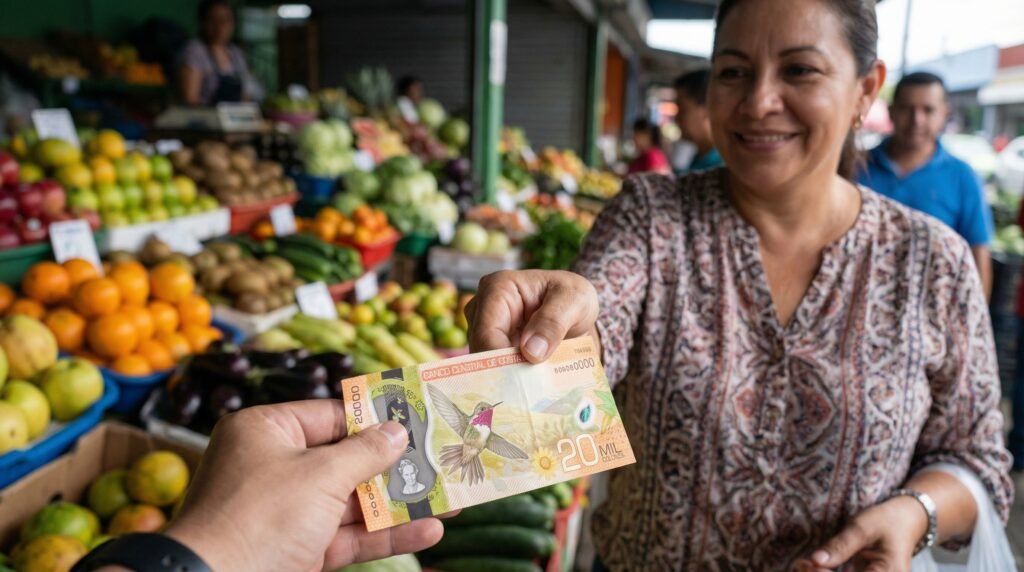
Money in Costa Rica isn’t just a way to pay it’s part of the culture. For many foreigners, handling colones feels simple at first, until small moments reveal deeper, unspoken rules. The colors, the slang, the expectations… they all tell a story.
Understanding cash here means understanding people.
The Real Reason Digital Nomads Choose Costa Rica (It’s Not What You Think)

Costa Rica has become more than just a travel destination it’s increasingly a place where remote professionals choose to live and work. Beyond the beaches and tropical landscapes, many digital nomads are discovering a lifestyle shaped by balance, community, and the famous Pura Vida mindset. But what exactly makes this small country so appealing for remote workers from around the world?
👉Discover the cultural and lifestyle reasons behind this growing trend in the full article
Coffee in Costa Rica Isn’t What You Think (Here’s Why It Matters)

Coffee in Costa Rica is more than just a morning habit. It’s part of the rhythm of daily life, from quiet breakfasts at home to the familiar cafecito shared with family, friends, or coworkers. Behind every cup there’s a story of culture, hospitality, and tradition that has shaped the country for generations.
👉 Read the full article and discover how coffee quietly connects everyday life in Costa Rica.
Costa Rican Social Etiquette: What Tourists Always Misunderstand
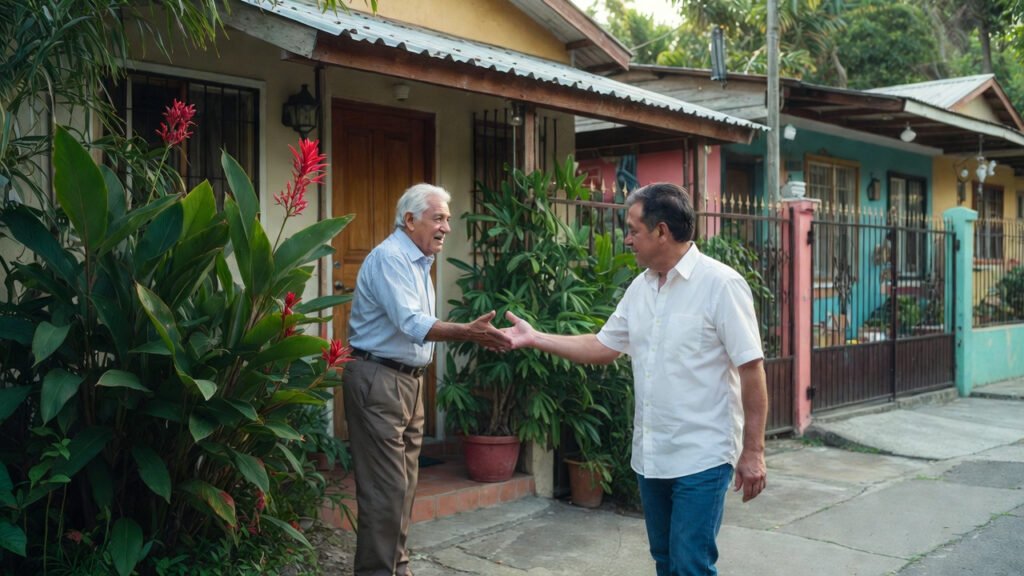
Travel guides often talk about Costa Rica in terms of rainforests, beaches, and wildlife. But if you spend enough time here, you quickly realize that the real experience of the country is not just the landscapes it’s the people and how they interact with one another.
If you’re planning to spend time in the country, understanding Costa Rican social etiquette and everyday cultural norms can make your experience much smoother.
👉 Read the full article and learn how locals really interact in daily life.
Emotional Intelligence in Costa Rican Culture
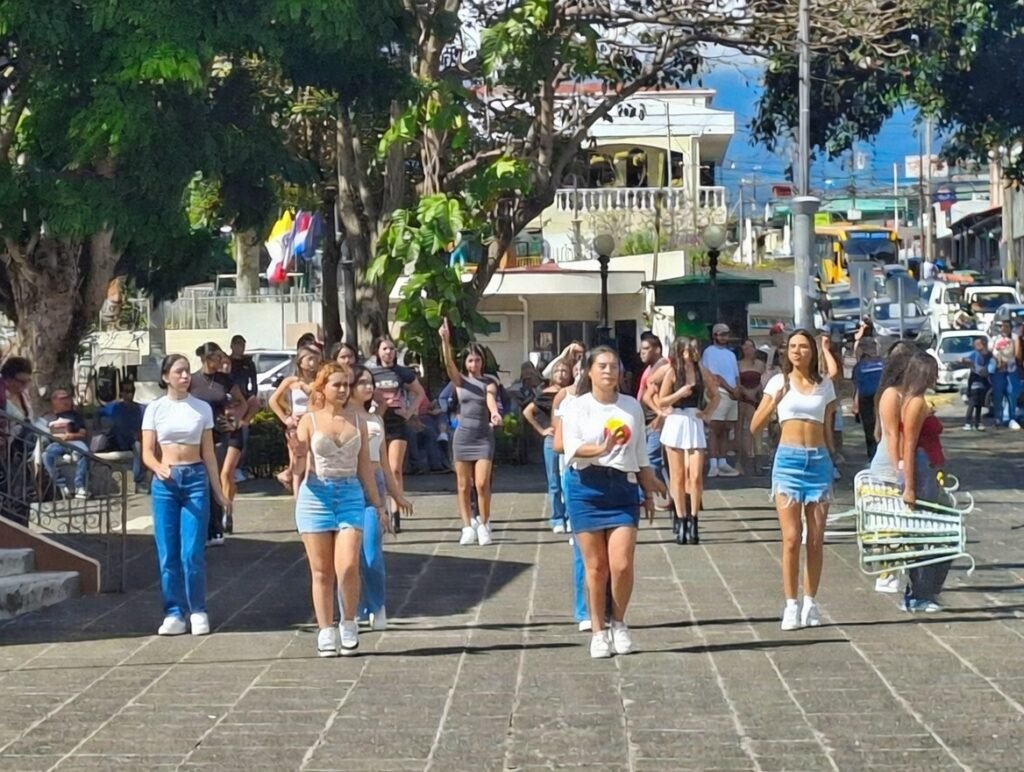
In Costa Rica, emotional intelligence is not a corporate trend or a psychological theory it is a way of life. Rooted in the philosophy of “Pura Vida,” Costa Rican culture reflects a deep understanding of empathy, resilience, and social harmony. From family gatherings and community celebrations to workplace dynamics and environmental stewardship, emotional awareness shapes everyday interactions. This cultural foundation, strengthened by a long-standing commitment to peace and education, has cultivated a society where dialogue is valued over conflict and relationships matter more than status. Discover how emotional intelligence quietly defines Costa Rican identity and social success.
Ready to explore how emotional intelligence shapes an entire nation’s identity?
Discover the full article here
The “Quedabien” and the Pending Coffee: The Anatomy of Friendship in Costa Rica

If you ask any traveler what they loved most about Costa Rica, they won’t tell you about the volcanoes or the gallo pinto. They will tell you it was “the people.” And they are right. The Costa Rican the Tico is genetically predisposed to kindness. We possess an internal radar designed to detect a lost soul and go out of our way to provide directions (even if we don’t actually know them and end up inventing a turn “where a fig tree used to be”).
But for those of us who live here, who grew up under the mantra of Pura Vida, we know that friendship in Costa Rica comes with fine print that no one explains: it is an immense warmth that, paradoxically, often serves as a way to maintain distance.
The “Quedabien” as a Thermal Shield
At the heart of our social interaction lies the concept of the “Quedabien.” Literally translated as “one who stays well,” it refers to our compulsive need to remain in everyone’s good graces at all costs. A Quedabien isn’t necessarily a people-pleaser in a submissive sense; rather, it is someone who prioritizes social harmony over honesty to avoid even the slightest hint of friction.
In Costa Rica, friendship tends to be horizontal and extensive. We are “friends” with everyone: the corner grocer, the neighbor who walks their dog at the same hour, the office colleague with whom we’ve never shared a private lunch but with whom we laugh hysterically in the hallway. This is our “surface warmth.” It is genuine it isn’t fake but it is a warmth driven by the Quedabien instinct, which seeks, above all else, to keep things pleasant.
The Tico harbors an ancestral dread of conflict. We prefer a lukewarm, agreeable friendship over a confrontation that might clear the air. Consequently, our friendships are experts in the “let’s grab a coffee sometime.” That coffee is the limbo of our culture. It is a promise of closeness that both parties know, through a silent code, will likely never materialize. It is our way of “staying well” with you without actually inviting you into our inner circle.