
Emotional Intelligence in Costa Rican Culture
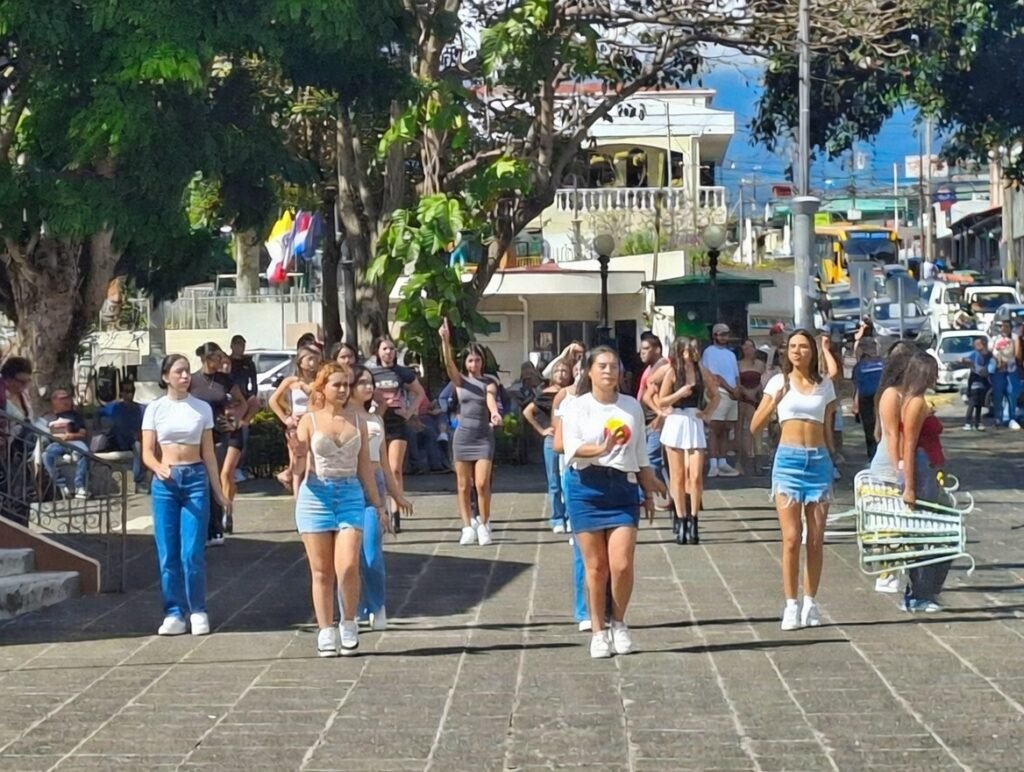
In Costa Rica, emotional intelligence is not a corporate trend or a psychological theory—it is a way of life. Rooted in the philosophy of “Pura Vida,” Costa Rican culture reflects a deep understanding of empathy, resilience, and social harmony. From family gatherings and community celebrations to workplace dynamics and environmental stewardship, emotional awareness shapes everyday interactions. This cultural foundation, strengthened by a long-standing commitment to peace and education, has cultivated a society where dialogue is valued over conflict and relationships matter more than status. Discover how emotional intelligence quietly defines Costa Rican identity and social success.
Ready to explore how emotional intelligence shapes an entire nation’s identity?
Discover the full article here
The “Quedabien” and the Pending Coffee: The Anatomy of Friendship in Costa Rica

If you ask any traveler what they loved most about Costa Rica, they won’t tell you about the volcanoes or the gallo pinto. They will tell you it was “the people.” And they are right. The Costa Rican the Tico is genetically predisposed to kindness. We possess an internal radar designed to detect a lost soul and go out of our way to provide directions (even if we don’t actually know them and end up inventing a turn “where a fig tree used to be”).
But for those of us who live here, who grew up under the mantra of Pura Vida, we know that friendship in Costa Rica comes with fine print that no one explains: it is an immense warmth that, paradoxically, often serves as a way to maintain distance.
The “Quedabien” as a Thermal Shield
At the heart of our social interaction lies the concept of the “Quedabien.” Literally translated as “one who stays well,” it refers to our compulsive need to remain in everyone’s good graces at all costs. A Quedabien isn’t necessarily a people-pleaser in a submissive sense; rather, it is someone who prioritizes social harmony over honesty to avoid even the slightest hint of friction.
In Costa Rica, friendship tends to be horizontal and extensive. We are “friends” with everyone: the corner grocer, the neighbor who walks their dog at the same hour, the office colleague with whom we’ve never shared a private lunch but with whom we laugh hysterically in the hallway. This is our “surface warmth.” It is genuine it isn’t fake but it is a warmth driven by the Quedabien instinct, which seeks, above all else, to keep things pleasant.
The Tico harbors an ancestral dread of conflict. We prefer a lukewarm, agreeable friendship over a confrontation that might clear the air. Consequently, our friendships are experts in the “let’s grab a coffee sometime.” That coffee is the limbo of our culture. It is a promise of closeness that both parties know, through a silent code, will likely never materialize. It is our way of “staying well” with you without actually inviting you into our inner circle.