
Costa Rican Customs Every Tourist Should Know Before Visiting Costa Rica
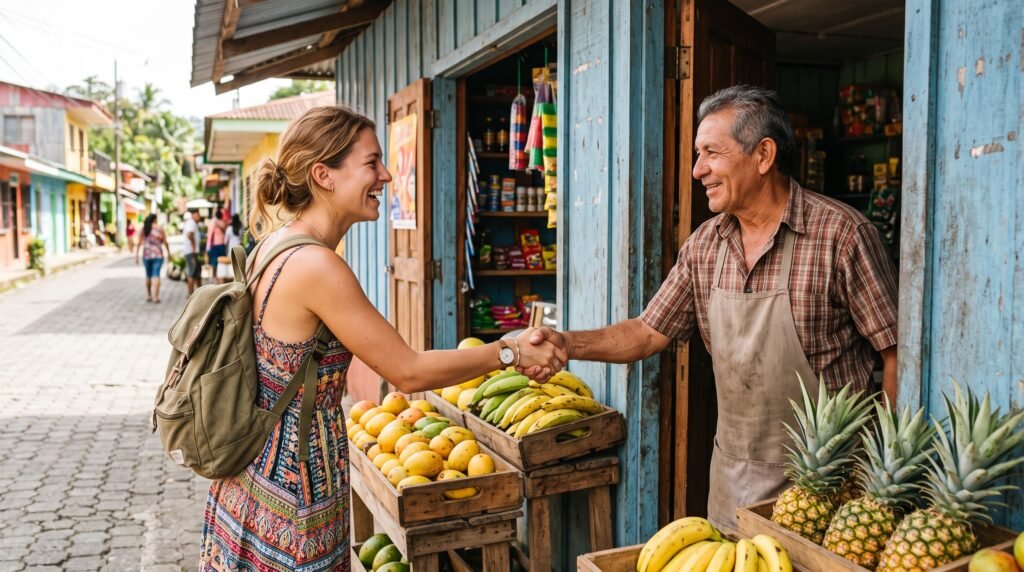
Planning a trip to Costa Rica? Before you pack the sunscreen, learn the unwritten rules that Ticos follow every day. Why does a simple “buenos días” open doors? What does “ahorita” really mean? Do you need to tip at restaurants, and where does the toilet paper go? These small customs shape how locals treat you, and knowing them will make your trip smoother, friendlier, and far more memorable. Written by a lifelong local, this guide skips the brochure talk and the clichés, and tells you what actually matters. Read it before you land, and arrive like someone who already belongs.
👉Read the full guide: Costa Rican Customs Every Tourist Should Know Before Visiting
What to Pack for Costa Rica: The Honest Local Guide to What Tourists Always Get Wrong
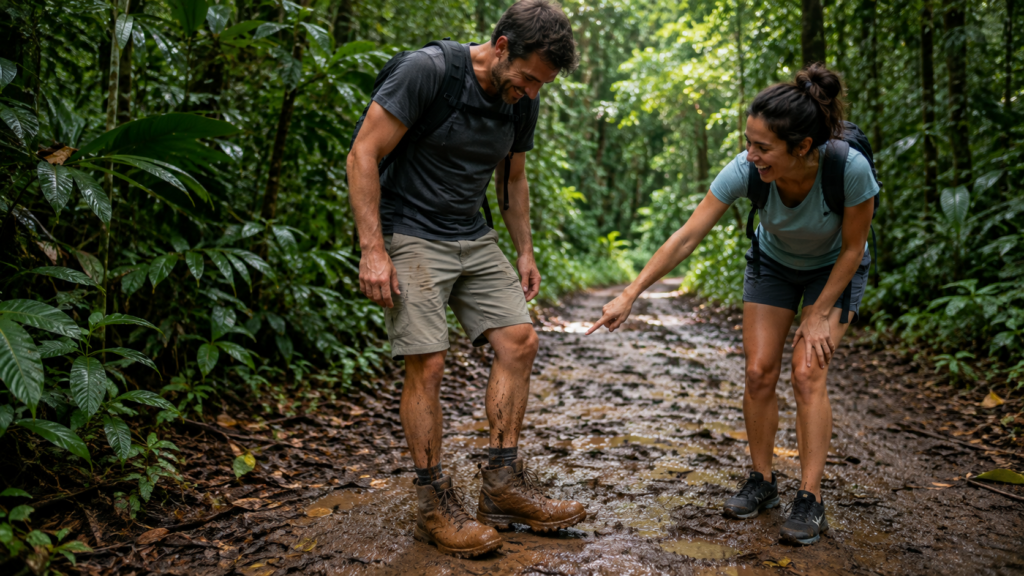
You spent weeks planning the trip and twenty minutes packing for it. That’s the one thing locals notice immediately. Before you zip that suitcase, read the list that was written by someone who has watched tourists make the same mistakes every single season.
What to Eat in Costa Rica: A Local’s Complete Guide to Traditional Food
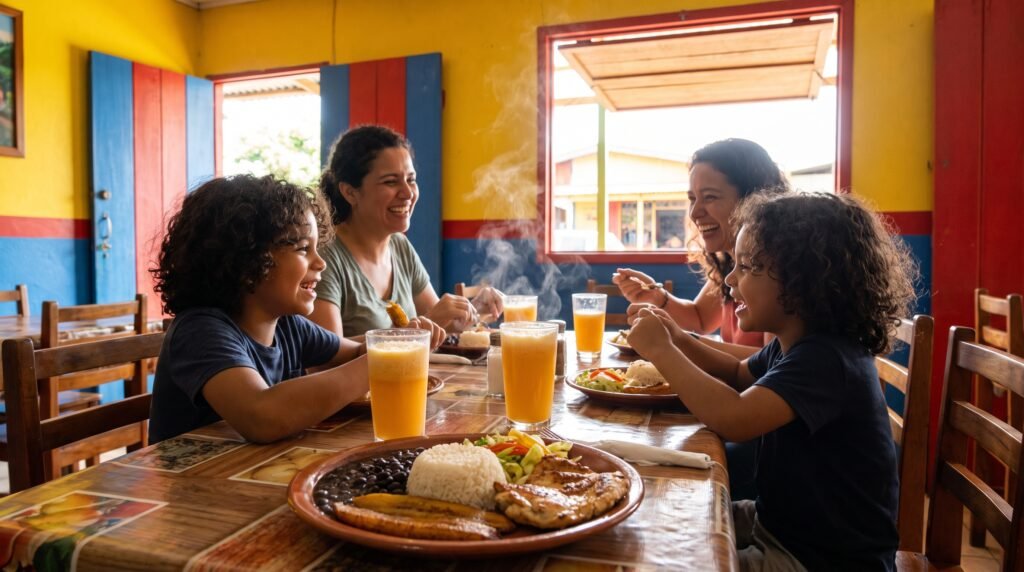
Discover why gallo pinto, casado and freshly brewed coffee win over every traveler who tries them. This complete guide walks you through the dishes that define the Costa Rican table, from neighborhood sodas to weekend farmers markets. Every bite hides a story of family and tradition. Ready to taste Costa Rica like a local? Click through now and explore the full flavor map waiting for you.
What Is Pura Vida? The Real Meaning Behind Costa Rica’s Most Famous Phrase
Two words. One phrase. An entire philosophy about time, connection and what makes a day worth living. Most people who visit Costa Rica say it. Very few of them know what it actually means. Here is the version that locals have never needed to explain, because they have always just lived it.
What Are Some Cultural Taboos or Things Considered Rude in Costa Rica?
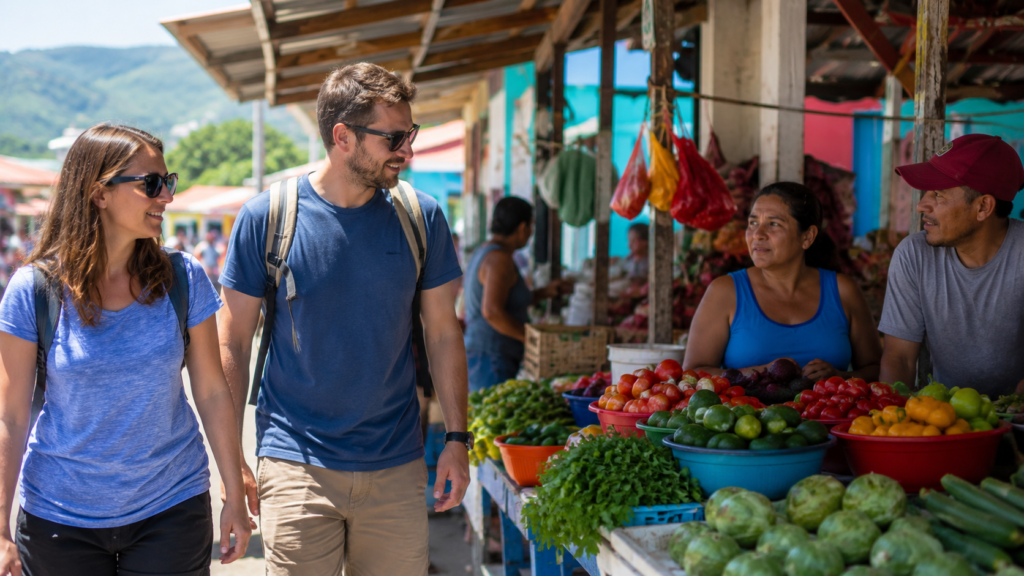
You read the travel guide. You booked the flights. But no one warned you about the things that quietly matter to the people you will meet there. Before you land, spend five minutes learning what Costa Ricans actually notice about visitors.
Why Is Costa Rica So Expensive? The Real Cost of Living in 2026
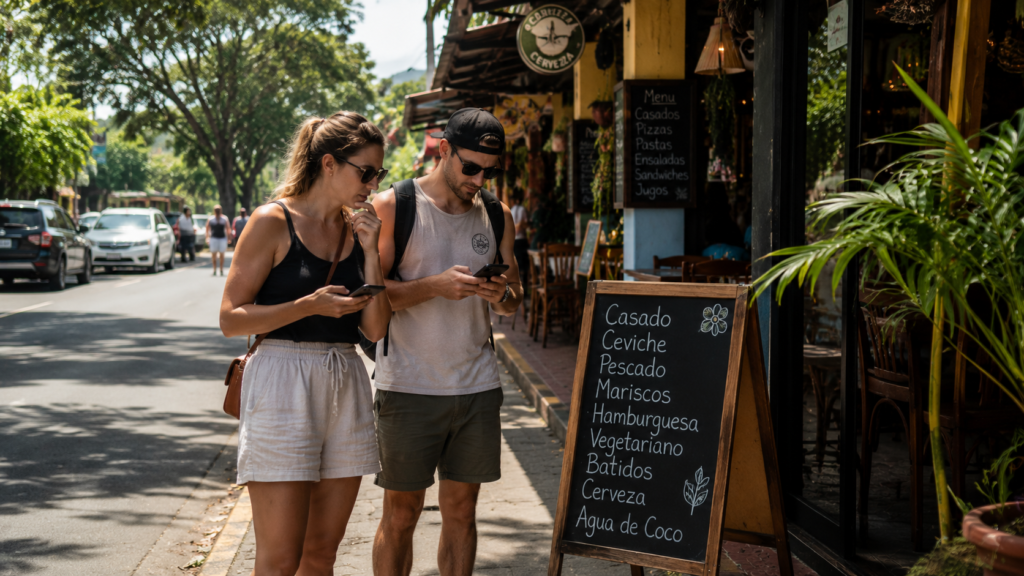
You booked the flights, packed the bags and planned the itinerary; then you saw the prices. Before sticker shock rewrites your trip, find out exactly what makes Costa Rica expensive, what is still surprisingly cheap and how to tell the difference before you land.
What Is Gallo Pinto, and Why Costa Ricans Eat It Every Morning
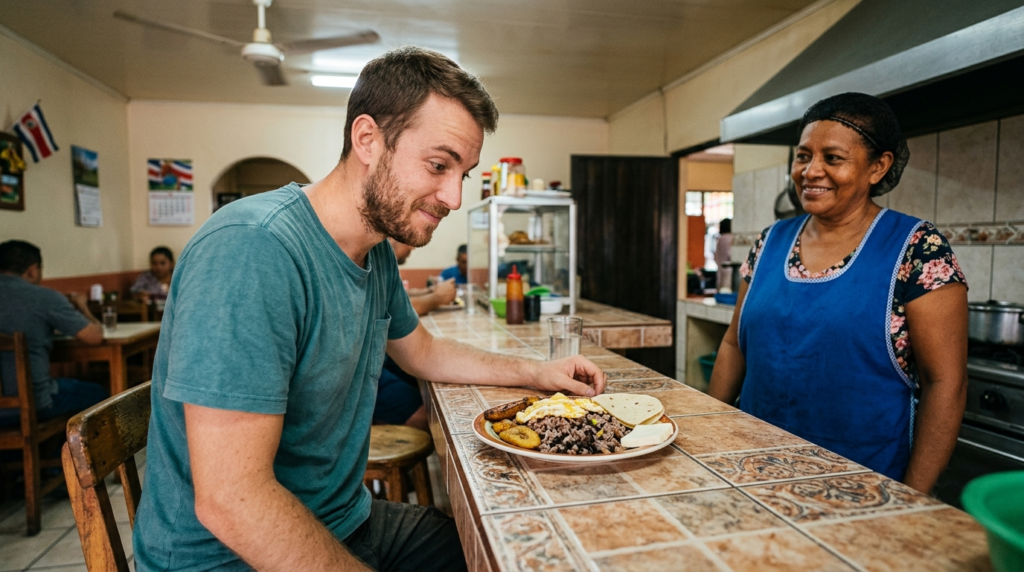
It looks like leftovers. It smells like home. And somehow, it has been the best part of every Costa Rican morning for generations. Before you write off rice and beans for breakfast, read why gallo pinto might just be the most honest meal this country has to offer.
What Is a Casado? Costa Rica’s Most Iconic Plate, Explained
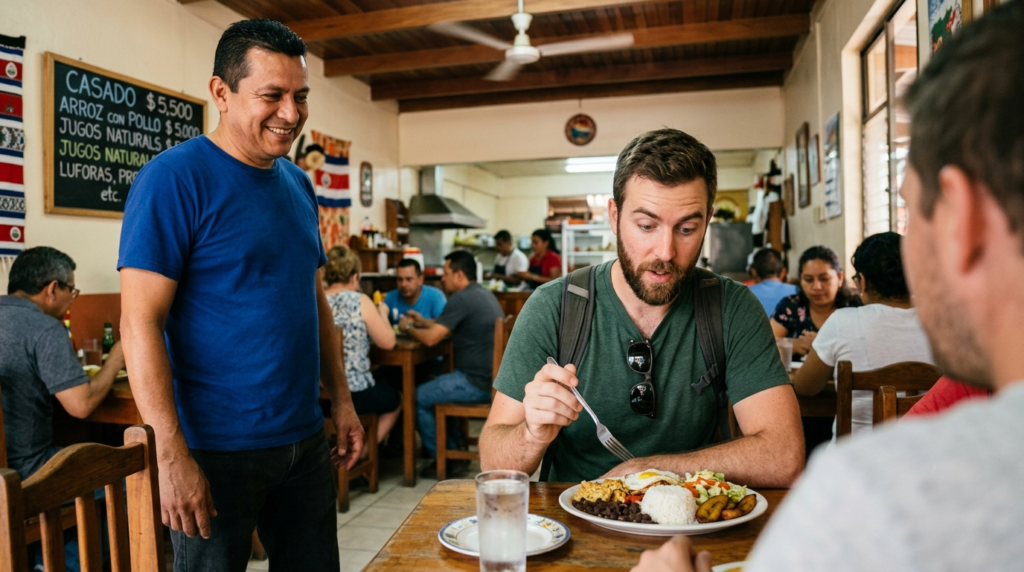
One plate, six components and a name that means married man; the casado has been feeding Costa Rica since long before tourists arrived. It is the most ordered dish in the country, yet most visitors leave without ever trying it.
👉Pull up a plastic chair at the nearest soda and find out what you have been missing
How Costa Ricans Spend Their Weekends
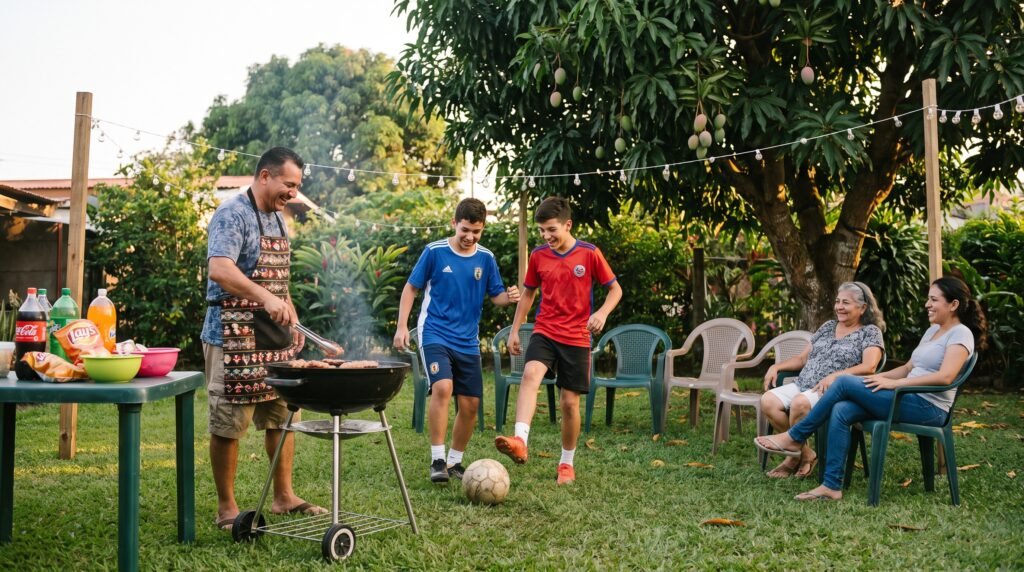
The Costa Rican weekend is not a tourist itinerary. It is a weekly ritual that reveals what this culture actually values when nobody is watching. Read the full breakdown, Friday to Sunday.
What Foreigners Notice First About Life in Costa Rica
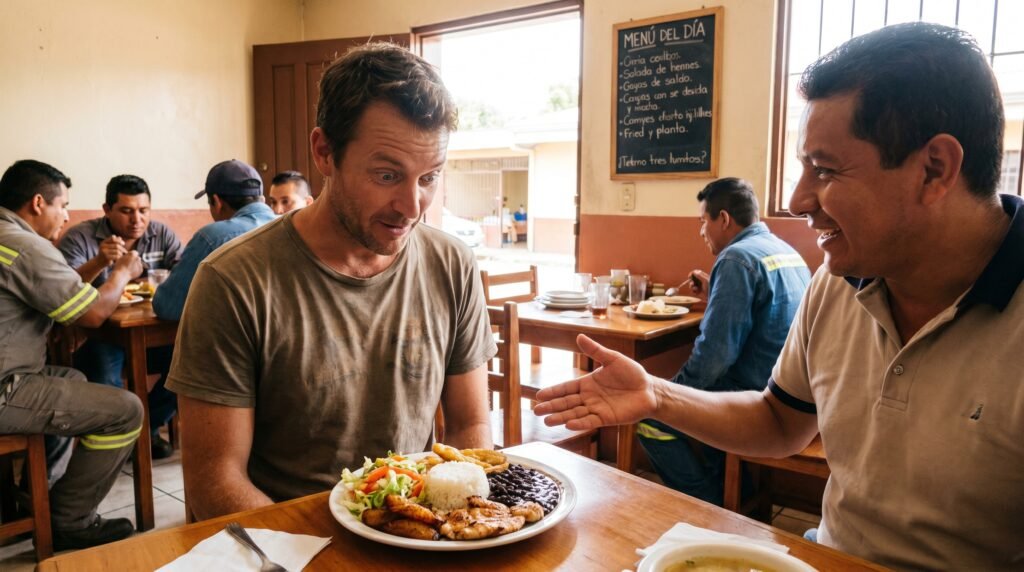
The freshest observations about Costa Rica don’t come from travel writers. They come from the people who just arrived and a Tico who has been watching those arrivals his whole life. This is what first impressions really tell you about the place.
What Daily Life in Costa Rica Is Really Like for Locals Beyond the Postcard

The real Costa Rica is not a resort experience or a nature documentary. It’s five million people navigating real life with warmth, humor, and a thermos of coffee. Step inside and see what that actually looks like.
What Foreigners Get Wrong About Living in Costa Rica
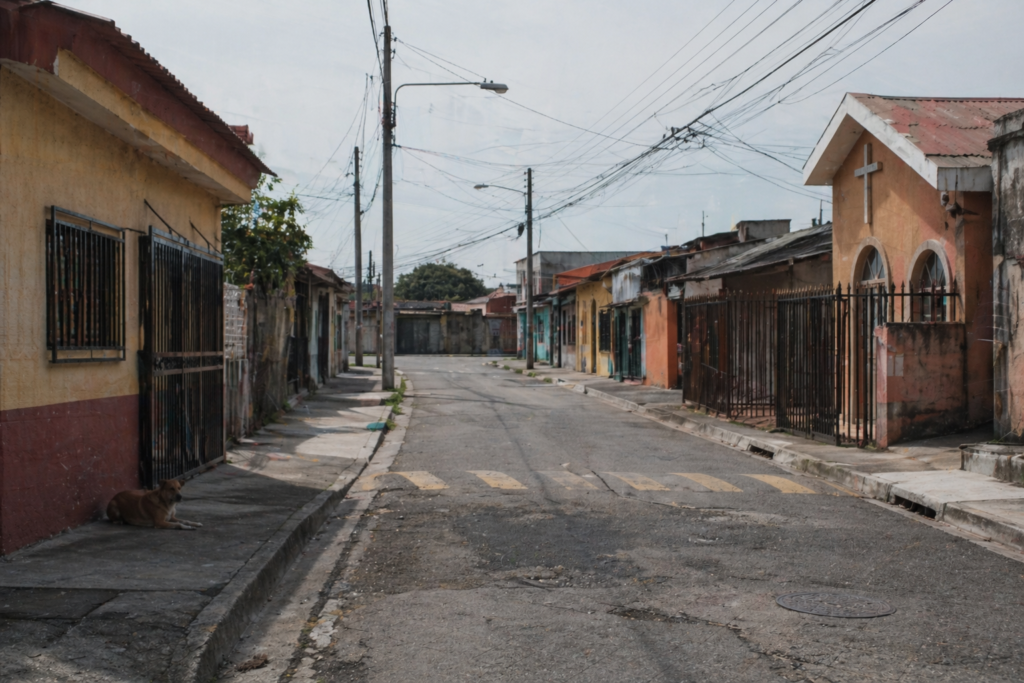
Everyone who moves here has a version of Costa Rica in their head before they arrive. Most of those versions are wrong in the same five or six ways and the blogs that could fix it are written by people who got it wrong themselves.
How Costa Ricans Really Feel About Tourists
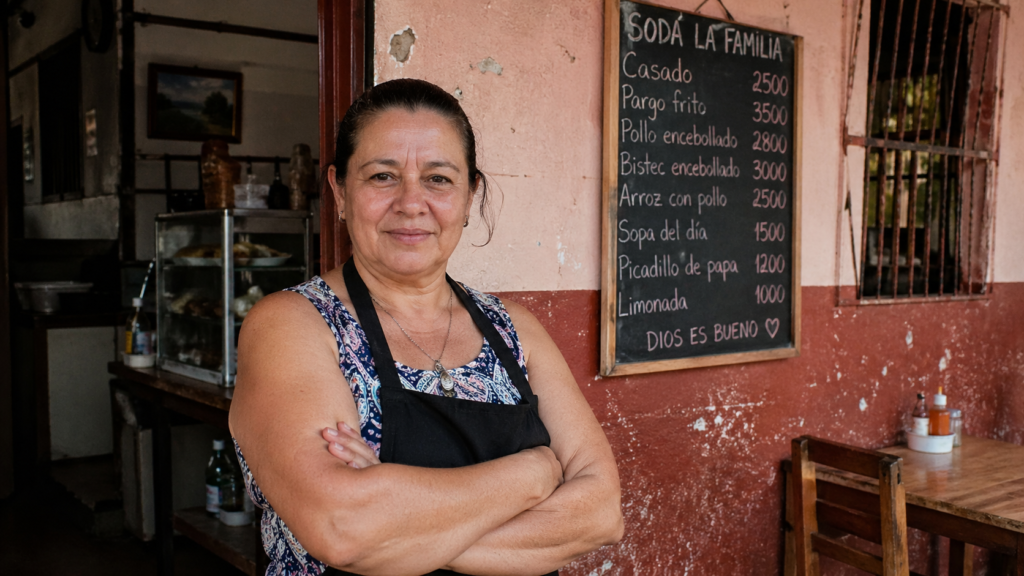
Costa Rica has been called the friendliest country in the world and that’s true. But behind the smiles and the pura vidas, there’s a more layered conversation happening, one that most visitors never get to hear. From the warmth of tico hospitality to the real tensions that mass tourism and gentrification have created in local communities, the full picture is more honest, more human, and more worth understanding than the brochure version.
The Reality of Public Transportation in Costa Rica (What No One Explains)
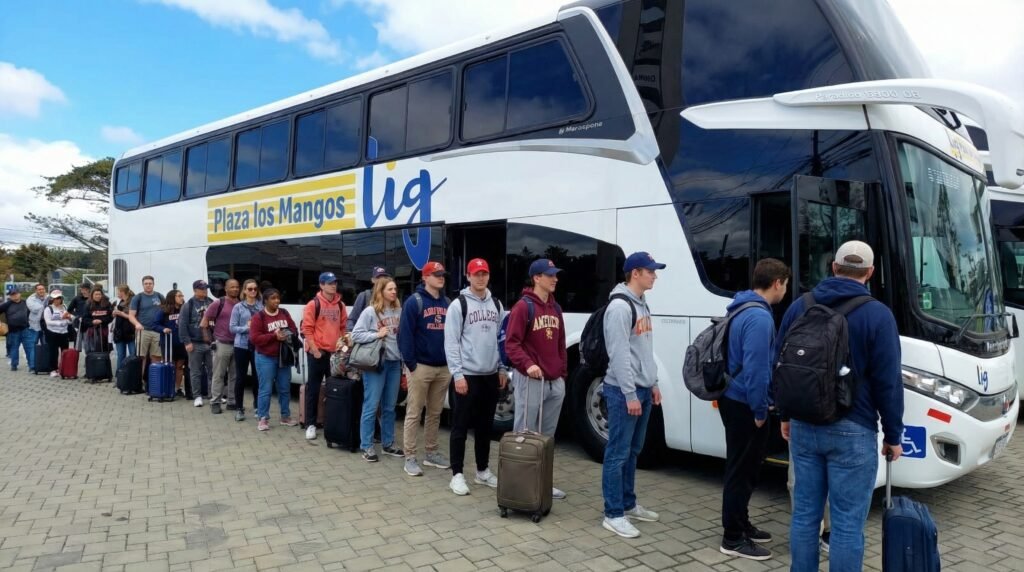
Public transportation in Costa Rica is one of those things that looks simple on paper but feels completely different in real life. What visitors often miss isn’t just the system itself, but how people actually use it, adapt to it, and live around it every day.
If you’re planning to rely on buses or simply want to understand how locals move, there are things no guidebook will tell you.
A Day in a Costa Rican Neighborhood (Beyond Tourist Areas)
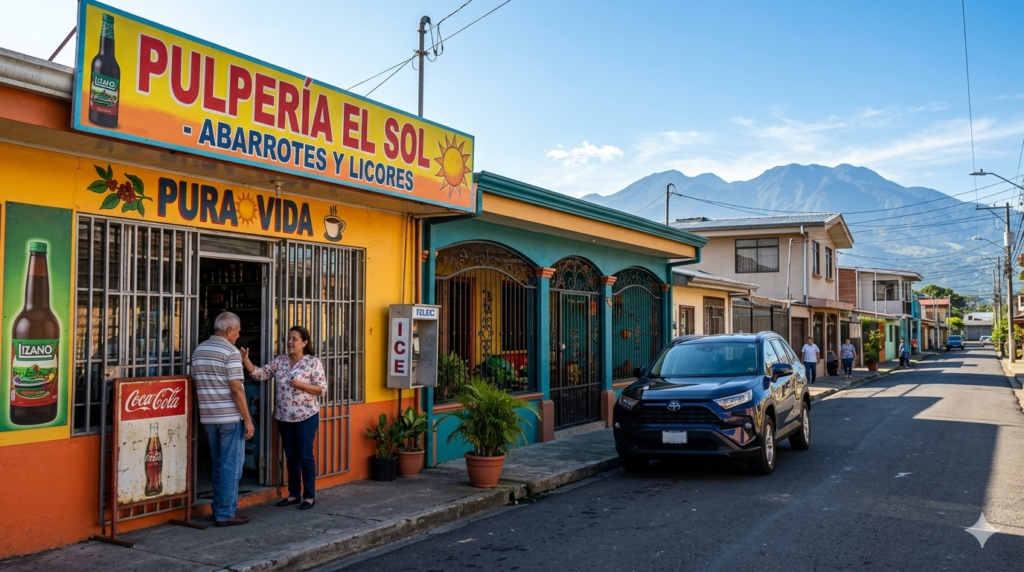
Step away from the typical resort trails and discover the soul of the land where “Pura Vida” is a daily practice, not a tagline. From the rhythmic clinking of the afternoon cafecito to the vibrant social hub of the local pulpería, experience the hidden charm of authentic Costa Rican living. Uncover the traditions that bind our communities together in this deep dive into the heart of the barrio.
👉Read the full article here and start your journey into the real Costa Rica.
Plans Are Flexible (Very Flexible)
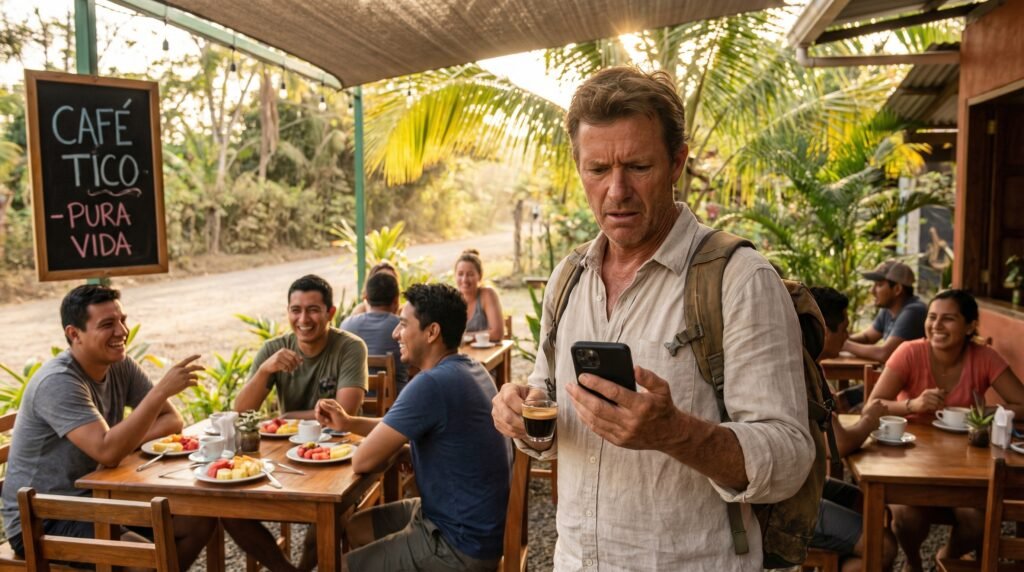
In Costa Rica, making a plan doesn’t always mean following it. For many foreigners, this can feel confusing at first plans shift, timelines soften, and certainty seems to disappear. But beneath that flexibility lies something deeper.
It’s not about disorganization it’s about a different way of living.
What a Typical Sunday Looks Like in Costa Rica
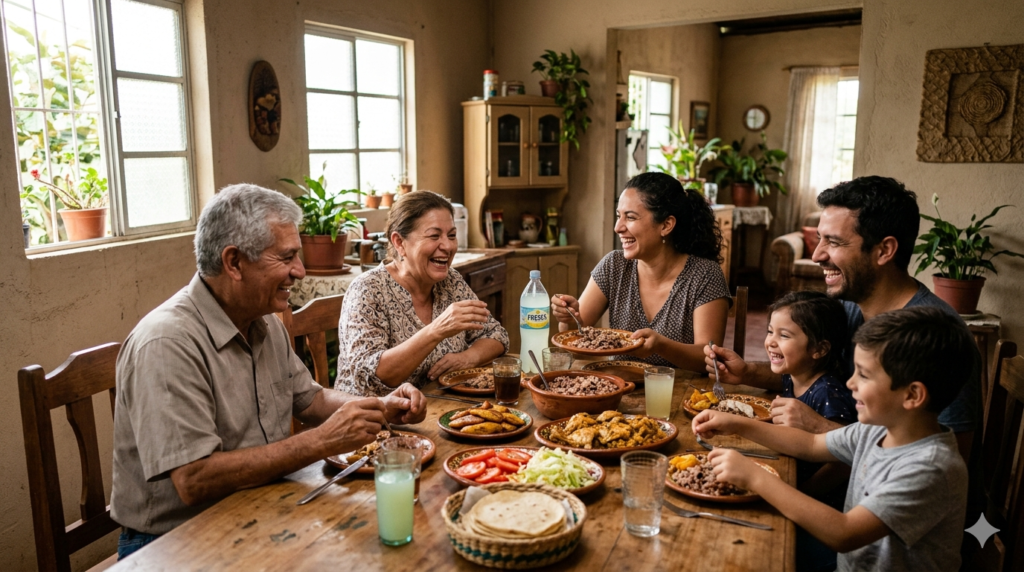
Sundays in Costa Rica don’t feel rushed they unfold. For many foreigners, what seems like an ordinary day quickly reveals a rhythm that feels slower, warmer, and deeply human. It’s not about doing more, but about being present.
From quiet mornings to family gatherings, Sundays carry a different energy.
👉 Keep reading to experience what a typical Sunday really feels like in Costa Rica.
Things That Confuse Foreigners About Costa Rican Time
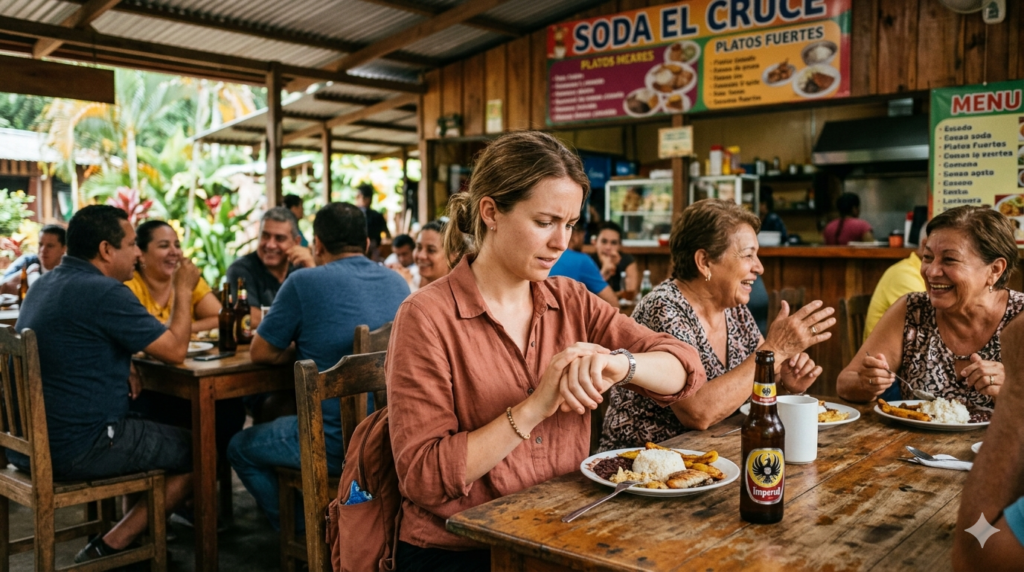
Costa Rica isn’t just a destination—it’s a different way of experiencing time. For many foreigners, that difference can feel subtle at first… and then surprisingly disorienting. Why does “right now” feel so flexible? Why do plans shift so easily? And why does nobody seem to be in a hurry?
If you’ve ever found yourself quietly confused, you’re not alone.
Why Costa Ricans Greet Everyone: The Small Social Habit Visitors Notice First
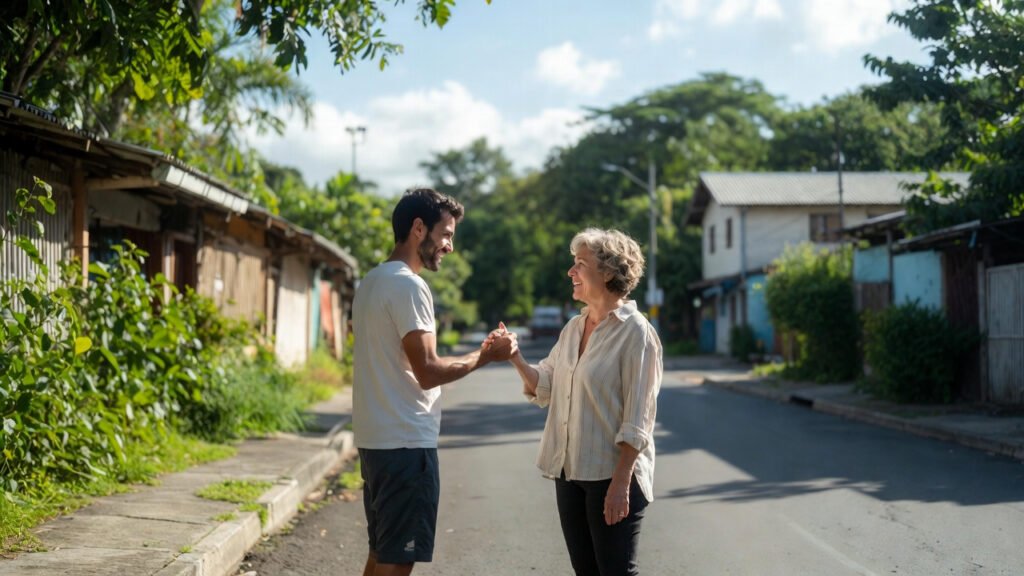
Visitors often notice something unusual when they arrive in Costa Rica. Whether entering a small café, a neighborhood store, or even an elevator, someone will usually say a friendly greeting. It may seem like a small detail, but this everyday habit reveals a lot about Costa Rican culture and the way people interact in daily life. Understanding why locals greet everyone helps visitors better appreciate the social rhythm of the country.
Is Costa Rica Safe for Solo Travelers?
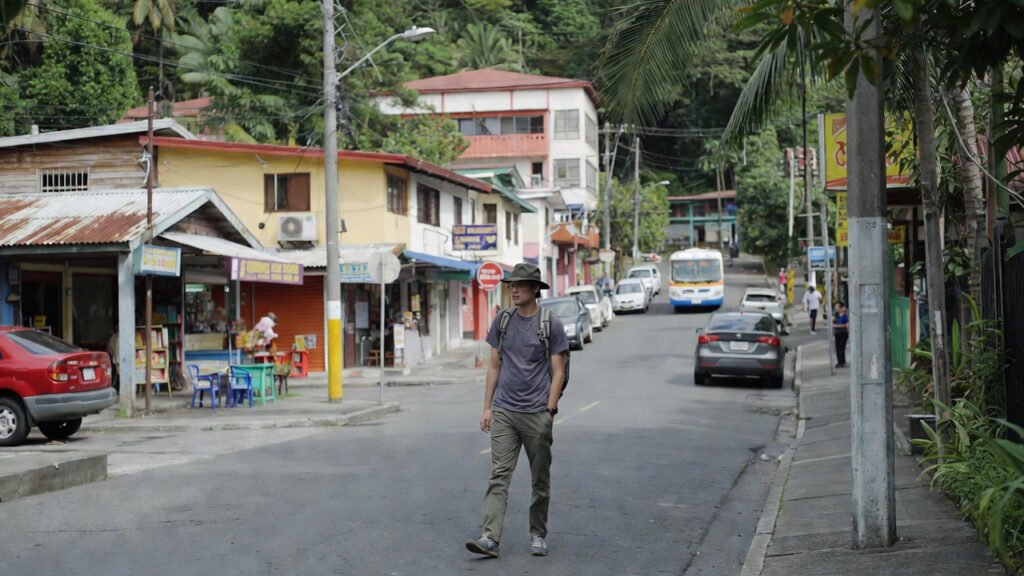
If you ask Google whether Costa Rica is safe for solo travelers, you’ll find quick answers, safety indexes, and neatly summarized advice. If you ask a Costa Rican, the answer tends to be slower, more contextual, and rarely reduced to a simple yes or no.
Thinking of traveling alone in Costa Rica? Read this first
Culture Shock for Non-Spanish-Speaking Tourists in Costa Rica
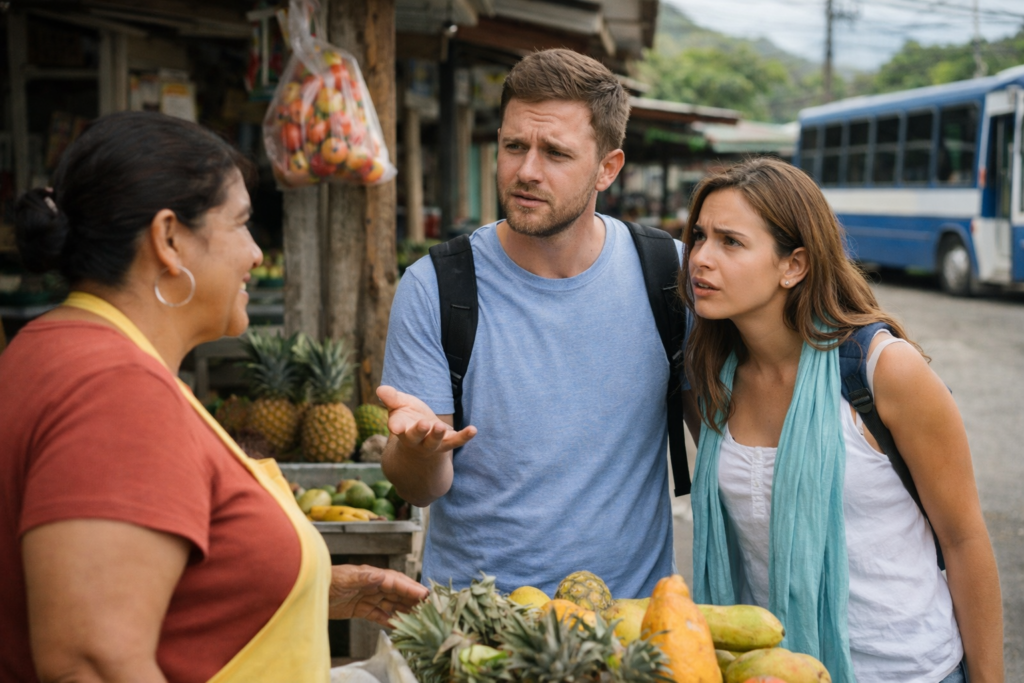
If you don’t speak Spanish and you’re coming to Costa Rica, there’s something important you should know.
Most of the shock you’ll feel here has nothing to do with safety, food, or the country itself. It comes from something quieter — the feeling that you don’t fully understand what’s happening around you, even when everyone is being kind.
Costa Ricans are generally warm, patient, and welcoming. People will try to help you. They’ll smile. They’ll make an effort. And still, you may walk away from interactions feeling slightly lost, unsure, or emotionally tired. That’s not because you did anything wrong. It’s because language shapes how close or distant the world feels.
When you don’t speak Spanish, everyday moments require more energy. Buying something simple turns into a small performance. You rely on gestures, tone, facial expressions. You nod a lot. You smile more than usual. You hope you understood correctly.
And most of the time, you do. But not completely.
One of the first cultural surprises is that Costa Ricans don’t rush conversations to make them efficient. Silence is allowed. Pauses aren’t uncomfortable. If you’re used to fast, direct exchanges, this can feel confusing. You may wonder if something went wrong or if the other person didn’t understand you.
Often, nothing is wrong. The conversation is simply moving at a different emotional pace.
Another common shock is indirect communication. Costa Ricans tend to avoid saying “no” directly. Not because they’re dishonest, but because they value harmony. For a non-Spanish speaker, this can be tricky. You might hear “maybe,” “we’ll see,” or “later” and interpret it literally. Later, you realize it meant “probably not.”
Without language, reading these nuances becomes harder. You’re listening not just to words, but to tone, context, and what isn’t being said.
There’s also the moment when you realize how much humor you’re missing. Costa Rican humor is subtle, often sarcastic, and very contextual. People may laugh, and you’ll smile along, unsure why. It’s a small thing, but it creates a feeling of being slightly outside the circle.
That distance can be emotionally surprising.
Many visitors expect culture shock to look dramatic — frustration, anger, discomfort. In Costa Rica, it’s often softer. It feels like mental fog. Like always being half a step behind. Like constantly adjusting.
And that adjustment is tiring.
But here’s the part most people don’t talk about: this shock usually fades into something else. Curiosity. Humility. A different way of paying attention. When language isn’t fully available, you start noticing tone, rhythm, body language. You become more patient. You let go of control a little.
In a strange way, not speaking Spanish forces you to slow down — and Costa Rica meets you there.
Locals don’t expect you to be fluent. A few words go a long way. Even badly pronounced Spanish is received with warmth, not judgment. What matters isn’t correctness, but effort.
And over time, you realize something important: you don’t need to understand everything to feel welcome. You need to stay open, observant, and willing to laugh at small misunderstandings.
Culture shock in Costa Rica isn’t a wall. It’s a gentle push out of your comfort zone. It asks you to listen more than you speak. To accept ambiguity. To trust that connection doesn’t always require perfect communication.
If you come expecting clarity, you might feel lost.
If you come expecting experience, you’ll be just fine.