
Costa Rican Slang Explained (With Real Examples)
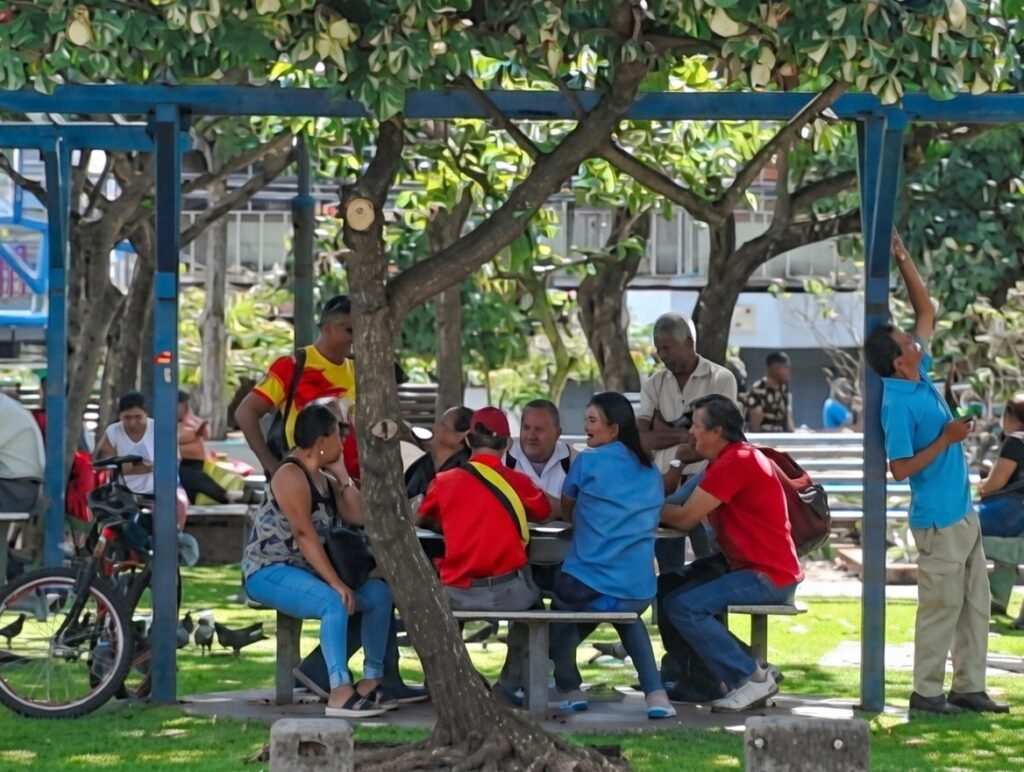
One of the first things Americans notice in Costa Rica is that Spanish sounds… different.
Not wrong. Not broken. Just different.
You may have studied Spanish. You may understand most of the words. And yet, once you start listening to real conversations, it feels like everyone is speaking in code. Words you never learned. Expressions that make no sense. Short phrases that seem to replace entire sentences.
That’s Costa Rican slang. And it’s not decoration it’s how people actually communicate.
As a Costa Rican, I can tell you this: we don’t use slang to sound cool. We use it because it feels closer, warmer, and more human. Formal Spanish exists, of course, but everyday life happens in a much more relaxed register.
Let me walk you through some of the expressions you’ll hear the most not with dictionary definitions, but with real-life meaning.
Mae
This is the word you’ll hear before you understand anything else.
Mae basically means “guy,” “dude,” or “man,” but emotionally it’s closer to bro. It’s informal, friendly, and everywhere. Costa Ricans use it with friends, coworkers, and sometimes even strangers, depending on the tone.
“Mae, let’s go get coffee.”
“Mae, did you see that?”
It’s not rude, but it’s not formal either. As a visitor, you don’t need to force it. Just recognize it. When you hear mae, you’re hearing everyday Costa Rica.
Diay
This one confuses almost everyone.
Diay doesn’t really translate. It’s a reaction word. A pause. A bridge between thoughts. It can mean “so…”, “well…”, “what can you do?”
If plans fall apart and someone says diay, they’re not explaining — they’re accepting.
It often appears at the beginning of sentences and carries a feeling of resignation mixed with calm.
5 Examples Explained in English
Here are five key uses with examples and English equivalents.
1. As a conversational starter or to prompt information.
- Spanish: “Diay, ¿qué hizo este fin de semana, mae?”
- Literal Breakdown: “Diay, what did you do this weekend, dude?”
- English Equivalent / Meaning: “So, what did you do this weekend?” or “Well then, what did you do this weekend?”
- Context: It’s a very common way to start a casual question. It’s friendly and expects an engaging response.
2. To express surprise or disbelief (with a rising intonation).
- Spanish: “¡Diay! ¿Y vos cómo estás aquí? Pensé que estabas en Guanacaste.”
- Literal Breakdown: “Diay! And how are you here? I thought you were in Guanacaste.”
- English Equivalent / Meaning: “Whoa!” / “Hey!” / “No way! How are you here? I thought you were in Guanacaste.”
- Context: You run into someone you didn’t expect to see. The “Diay” here is an exclamation of genuine surprise.
3. To show annoyance, impatience, or a mild reprimand.
- Spanish: “Diay, mae, le dije que llegara temprano y ya son las 10.”
- Literal Breakdown: “Diay, dude, I told you to arrive early and it’s already 10.”
- English Equivalent / Meaning: “Come on, man, I told you to get here early and it’s already 10.” or “Seriously… I told you…”
- Context: The tone is flatter, more exasperated. It softens the reprimand but clearly conveys frustration.
4. As a filler word while thinking, similar to “well…” or “so…”
- Spanish: “¿Cuál es su plato favorito de la comida tica?” – “Diay… mae, tiene que ser un buen casado, o un gallo pinto con natilla.”
- Literal Breakdown: “What’s your favorite Costa Rican dish?” – “Diay… dude, it has to be a good casado, or gallo pinto with sour cream.”
- English Equivalent / Meaning: “What’s your favorite Costa Rican dish?” – “Well… dude, it has to be a good casado…”
- Context: It gives the speaker a moment to gather their thoughts before answering. It’s almost a verbal tic.
5. To state the obvious or answer a redundant question.
- Spanish: “¿Vas a ir a la fiesta de Luis?” – “¡Diay, claro!” (or “Diay, sí!”)
- Literal Breakdown: “Are you going to Luis’s party?” – “Diay, of course!”
- English Equivalent / Meaning: “Are you going to Luis’s party?” – “Well, yeah!” / “Duh!”
- Context: The answer should be obvious to the person asking. The tone here is slightly emphatic and informal. A stronger, more sarcastic version is “Diay, no…” to mean “Obviously not.”