
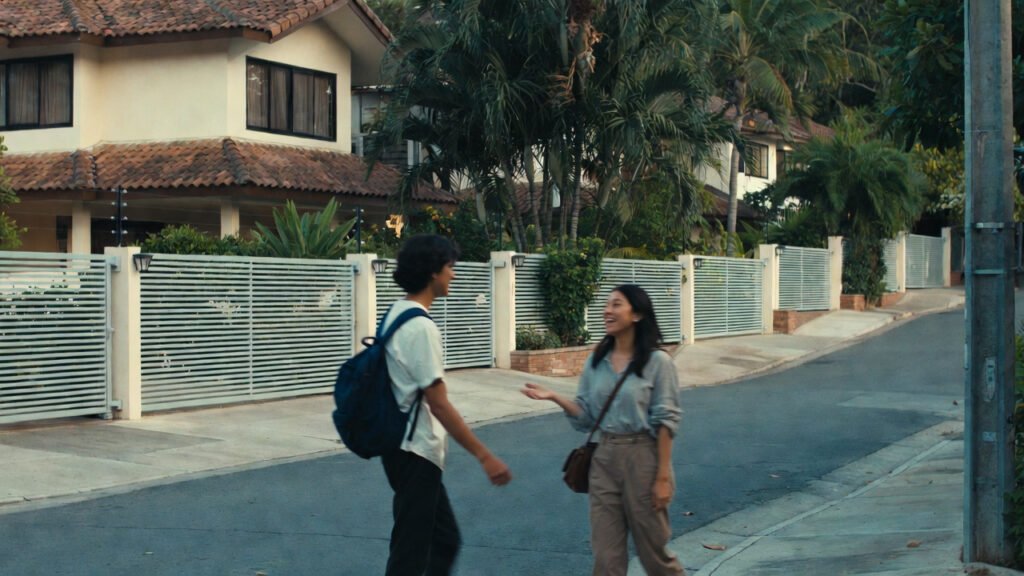
If there is one small detail that many visitors notice almost immediately after arriving in Costa Rica, it is how often people greet each other. It does not matter whether you walk into a small neighborhood store, a casual restaurant, an office building, or even an elevator. Very often, someone will say “buenas,” “buenos días,” or offer a quick greeting with a friendly nod or smile.
For travelers coming from large cities or more reserved cultures, this can feel surprising at first. In many countries, walking into a place without acknowledging anyone is perfectly normal. In Costa Rica, however, greeting people is more than simple politeness. It is a deeply rooted everyday social habit.
It may seem like a small gesture, but this cultural norm says a lot about how daily life works in Costa Rica. The habit of greeting others reflects the country’s social atmosphere, its sense of community, and the relaxed attitude often associated with the famous Costa Rican expression, Pura Vida.
The unspoken rule of greeting people in Costa Rica
There is an unwritten social rule that most Costa Ricans follow without thinking about it: if you enter a place where other people are present, you greet them.
You do not need to know anyone personally. You do not need to start a conversation. Simply saying “buenas” when you walk in is enough. It is a small gesture that acknowledges the people around you.
Imagine walking into a neighborhood convenience store, known locally as a pulpería. Before asking for anything, the natural thing to do is say a quick greeting.
“Buenas.”
That one word creates a moment of recognition. It signals respect and basic courtesy toward the people sharing the space with you. Ignoring that simple step can feel slightly awkward, especially in smaller towns or local businesses where social interactions are still more personal.
For many Costa Ricans, this behavior is simply part of everyday etiquette. It is not something that people consciously think about. It is just the way things are done.
More than politeness: acknowledging others
In many modern societies, daily interactions have become increasingly impersonal. People move quickly through their routines, often without noticing those around them. Costa Rica still maintains a different rhythm in many aspects of social life.
Greeting others functions as a simple way of acknowledging their presence. It is a quiet way of saying, “I see you. We are sharing this space.”
Even in busy areas, it is common to see small exchanges between strangers: a quick greeting in a hallway, a nod when entering a shop, or a friendly “buenas” when passing someone on a narrow sidewalk.
Part of this cultural habit comes from Costa Rica’s historical social structure. For much of its history, the country was made up of small rural communities where people knew their neighbors and daily interactions were more personal. Even though Costa Rica has become more urbanized over the decades, many of those social customs have remained.
The result is a culture where everyday interactions tend to feel warmer and more human than in many highly urbanized environments.
The famous “buenas”
One word that visitors quickly notice is the widespread use of “buenas.”
Instead of saying the full expressions for good morning, good afternoon, or good evening, Costa Ricans often shorten the greeting to a simple “buenas.” It works at almost any time of day and in nearly any informal setting.
You will hear it when someone enters a small café, steps into a store, boards a taxi, or walks into a waiting room.
The beauty of this greeting is its simplicity. It does not demand a long response. Usually another “buenas,” a quick smile, or a small nod is enough.
For visitors spending time in the country, adopting this small habit can make interactions with locals feel much more natural.
A culture where friendliness still matters
Costa Rica frequently appears in international rankings related to quality of life and overall happiness. Many factors contribute to that reputation, but the country’s social culture is certainly part of the equation.
Daily interactions often include small gestures of friendliness, from greeting people in a store to brief conversations with taxi drivers, cashiers, or neighbors. These interactions help maintain a sense of community, even in larger cities like San José.
Of course, Costa Rica is not immune to modern pressures. Traffic, busy schedules, and urban growth have changed daily life in many ways. Yet despite these changes, the habit of greeting others remains surprisingly strong.
It continues to serve as a simple way to maintain social warmth in everyday life.
A habit that many visitors eventually adopt
Interestingly, many foreigners who spend time in Costa Rica say that greeting strangers initially felt unusual. In some cultures, speaking to people you do not know can even feel uncomfortable.
But after a few weeks, something often changes.
Visitors begin to notice how natural the practice is. Saying “buenas” when entering a place becomes automatic. Greeting a bus driver or a shop owner starts to feel normal rather than forced.
Some travelers even say that when they return home, they miss this small cultural habit. It reminds them that sometimes the smallest social gestures can make a place feel more welcoming.
A reflection of the Pura Vida mindset
Although greeting people is not directly tied to the famous phrase Pura Vida, both reflect a similar attitude toward life.
Costa Rican culture often values relaxed interactions, friendliness, and an openness toward others. Social exchanges tend to be less formal and more spontaneous than in many other places.
A greeting, a quick smile, or a brief conversation can happen almost anywhere. It does not necessarily mean people will become close friends, but it does create a moment of shared human connection.
A small detail that reveals a lot about Costa Rica
Costa Rica is often known internationally for its rainforests, beaches, and incredible biodiversity. Yet travelers who spend more time in the country begin to realize that the culture itself is just as memorable as the landscapes.
Simple habits like greeting people when entering a room might seem insignificant at first. But they reveal something deeper about how society works here: a quiet emphasis on respect, recognition, and everyday kindness.
For many visitors, one of the most authentic experiences in Costa Rica is not a dramatic adventure or a famous destination.
It is something much simpler.
Walking into a place, hearing someone say “buenas,” and realizing that even the smallest interactions can reflect the character of a country.