
When most people dream of Costa Rica, their minds drift toward the misty canopies of Monteverde or the surf-breaks of Santa Teresa. But if you want to touch the true pulse of this nation the “heartbeat” that has nothing to do with souvenir shops you have to step into a barrio.
A Costa Rican neighborhood is not just a collection of houses; it is a living, breathing social ecosystem. It is a place where the morning is heralded by the scent of roasting coffee and the evening is defined by the clink of porcelain during the sacred cafecito hour. To spend 24 hours in a local neighborhood is to witness a masterclass in slow living, community resilience, and a radical kind of hospitality known as Pura Vida.
The 5:00 AM Awakening: The Symphony of the Sun
In Costa Rica, life begins with the sun. Long before the first digital alarm goes off, the neighborhood is already stirring. You’ll hear it first: the rhythmic sweep of a broom against a concrete sidewalk. In the barrio, keeping the “frente de la casa” (the front of the house) spotless is a point of quiet pride.
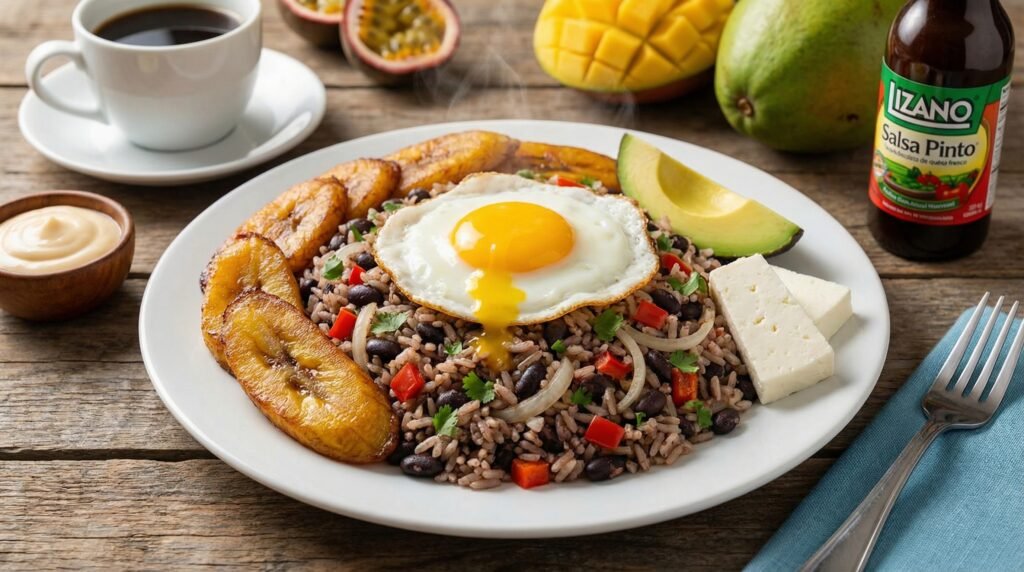
By 6:00 AM, the air is thick with the aroma of Gallo Pinto. This isn’t just breakfast; it’s a cultural cornerstone. Rice and beans are sautéed with bell peppers, onions, cilantro, and the indispensable Salsa Lizano. This meal is the fuel for the “pulperos” (corner store owners) and the office workers alike.
The Pulpería: The Neighborhood’s Social Hard Drive
If you want to understand the social dynamics of a Costa Rican neighborhood, look no further than the Pulpería. These small, often brightly painted corner stores are the nodes of the community network.
The pulpero knows everyone. They know who is sick, whose daughter just graduated, and which family is expecting a visitor. In a world of faceless supermarkets, the pulpería remains a bastion of human connection. You don’t just go there to buy a “bolsa de leche” (bag of milk); you go there to exchange the “chisme” (news or gossip) of the day. It is an informal town square where the concept of “neighborly love” is practiced through three-minute conversations over a counter.
The Midday Heat and the “Soda” Experience
As the tropical sun climbs, the pace of the neighborhood shifts. Noon marks the time for the Casado. To eat a casado in a local “soda” a small, family-run eatery is to experience the ultimate Costa Rican comfort food.
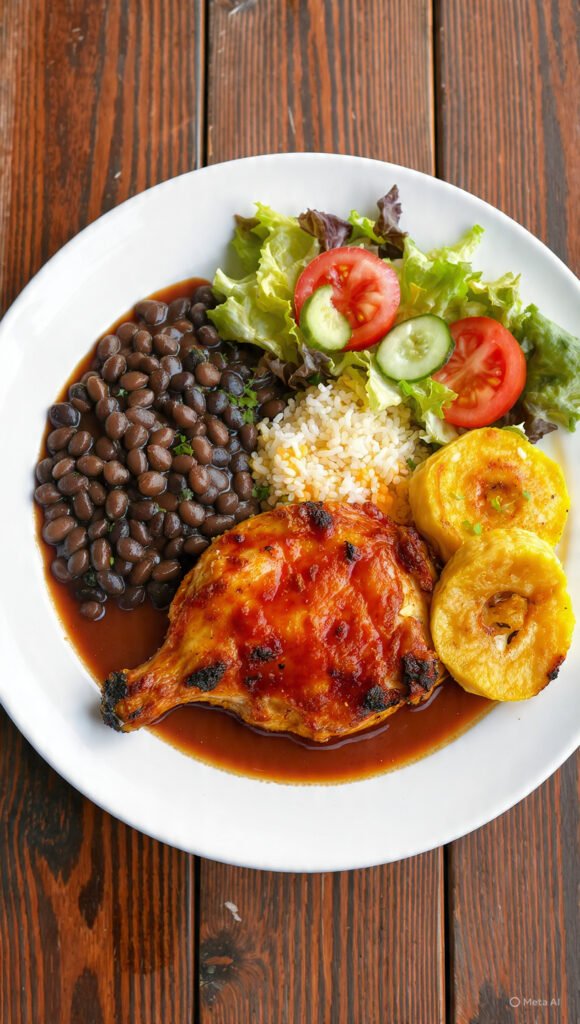
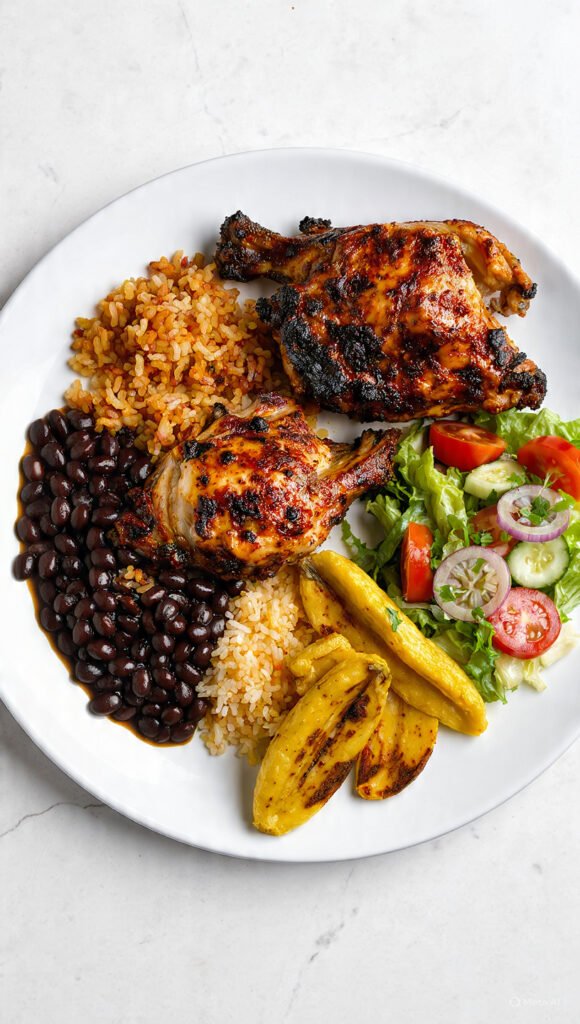
A traditional casado (meaning “married man”) represents a marriage of flavors: rice, beans, a protein, fried plantains, a cabbage salad, and often a side of “picadillo” (minced vegetables). In these non-tourist enclaves, you won’t find menus in English. Instead, you’ll find a chalkboard and the sound of a “doña” humming in the kitchen. This is where the workforce gathers, sharing large tables and “frescos naturales” (fruit juices) like chan, guanábana, or cas.
3:00 PM: The Sacred Ritual of the Cafecito
If there is one hour that defines the Costa Rican soul, it is 3:00 PM. Regardless of the heat, this is the time for el café.
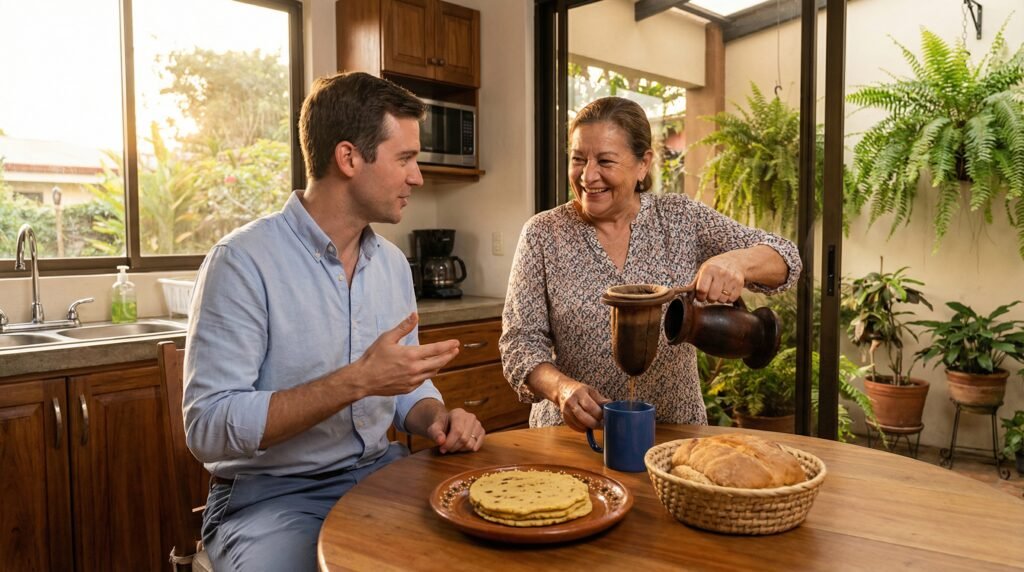
In the neighborhoods, this is a multi-generational bridge. Grandparents, parents, and children gather around the table. The coffee is usually prepared in a “chorreador” a traditional wooden stand with a cloth filter producing a smooth, aromatic brew.
But the coffee is only half the story. The stars of the show are the “acompañamientos”:
- Tortilla aliñada: Thick corn tortillas with cheese mixed into the dough.
- Pan casero: Homemade sweet bread or savory rolls.
- Empanadas: Corn turnovers filled with beans or cheese.
This isn’t a “coffee to go.” It is a “coffee to stay.” It is a moment of pause that prioritizes relationships over productivity, a cultural practice that reinforces the social fabric of the family unit.
The Architecture of Connection: Open Doors and “Pretiles”
Walking through a local neighborhood like those in Heredia, Desamparados, or San Ramón, you’ll notice a distinct architectural feature: the lack of distance. Houses often sit flush against the sidewalk.
Late in the afternoon, as the heat breaks, it’s common to see neighbors sitting on their “pretiles” (the low concrete walls or steps in front of their homes). This is the “Social Porch” of the digital age. They watch the neighborhood children play soccer in the street (using two stones as goalposts) and shout greetings to passersby.
There is a linguistic beauty here too. You will hear the constant use of “Usted”. In Costa Rica, “Usted” isn’t just for formal occasions; it’s a mark of deep-seated respect used even between best friends or toward a beloved pet. It reflects a society that values “quedar bien” (leaving a good impression) and maintaining harmony at all costs.
Dusk: The Cimarrona and the Community Spirit
On special occasions or weekend evenings, you might hear the distant, brassy blast of a Cimarrona. This is a traditional street band, often accompanied by “Mascaradas” giant, hand-crafted papier-mâché heads representing folkloric characters like La Gigantona or El Diablo.
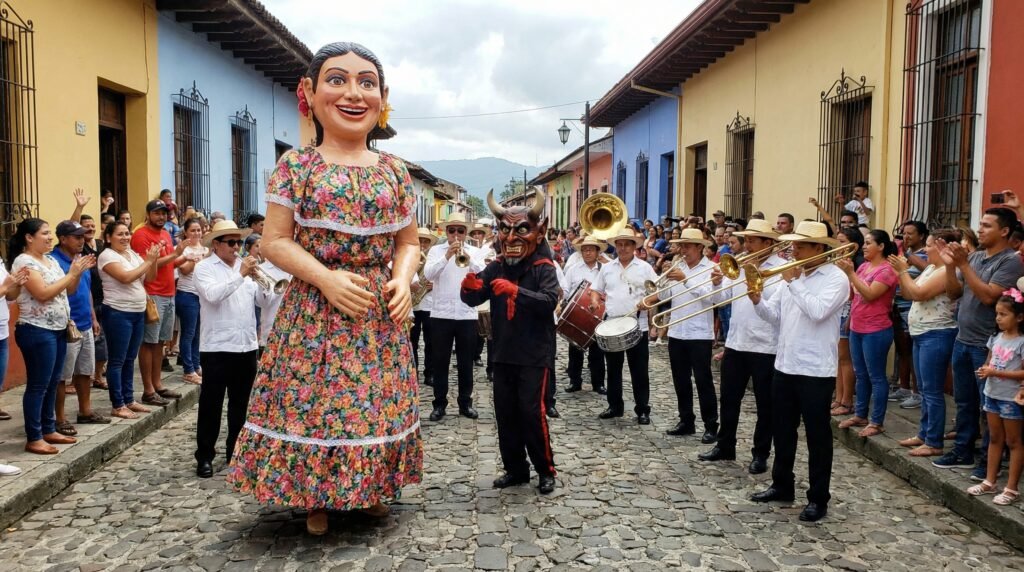
When the Cimarrona plays, the neighborhood transforms. It’s a loud, chaotic, and joyful celebration of identity. It’s a reminder that while Costa Rica is rapidly modernizing, its heart remains rooted in these communal festivities that date back centuries.
Why the “Off-Path” Neighborhood Matters
For the traveler, visiting a volcano is a sight, but visiting a neighborhood is a revelation.
When you step beyond the tourist bubbles, you realize that the “Greenest Country in the World” isn’t just about trees; it’s about a sustainable way of treating other human beings. You see a country that abolished its army in 1948 and instead invested in the people you see walking to the “EBAIS” (local clinic) or the public school at the end of the block.
Essential Tips for Your Neighborhood Walk:
- Learn the Greetings: A simple “Buenas” (shorthand for Good Morning/Afternoon) goes a long way.
- Follow the Scent: If you smell fresh bread around 2:30 PM, look for the local “panadería.”
- Respect the Peace: Remember you are a guest in someone’s living space. Keep voices moderate and ask before taking photos of people.
- Use the Diminutive: Notice how locals say “un cafecito” or “un momentico.” It’s the “Tico” way of making the world feel a little smaller and friendlier.
The true magic of Costa Rica isn’t found in a brochure. It’s found in the “clink” of a coffee cup, the “Buenas” of a neighbor, and the slow, golden light of a Tuesday afternoon in a place where time doesn’t fly it lingers.
Here is a compelling introduction and the specific prompts designed to capture the authentic urban and suburban essence of Costa Rica’s Great Metropolitan Area (GAM).