
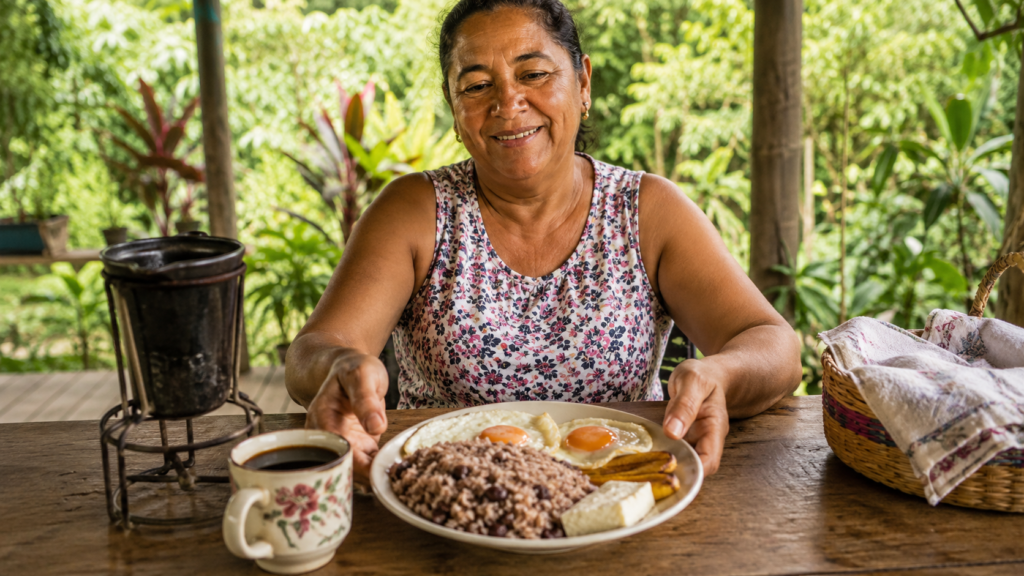
Costa Rica is far more than beaches and volcanoes, it is also a country where food tells the story of its people. Costa Rican cuisine was built on simple ingredients, rice, beans, corn, plantain and an enormous variety of tropical fruit, yet the result is an experience full of flavor and warmth. If you are traveling to this Central American country, knowing what to eat is just as important as knowing what to visit. This guide brings together the most representative dishes, explained from the perspective of someone who has eaten them her whole life.
Gallo Pinto, the national breakfast
There is no talking about Costa Rican food without mentioning gallo pinto. This dish of rice and black beans, sautéed with onion, sweet pepper and cilantro, is served in practically every home and soda across the country. It is accompanied by eggs, sour cream, fresh cheese, corn tortillas and, on many occasions, meat or chorizo. The secret lies in Salsa Lizano, a condiment that gives it its characteristic sweet and tangy touch and that many visitors end up buying to take home.
Casado, the ultimate lunch
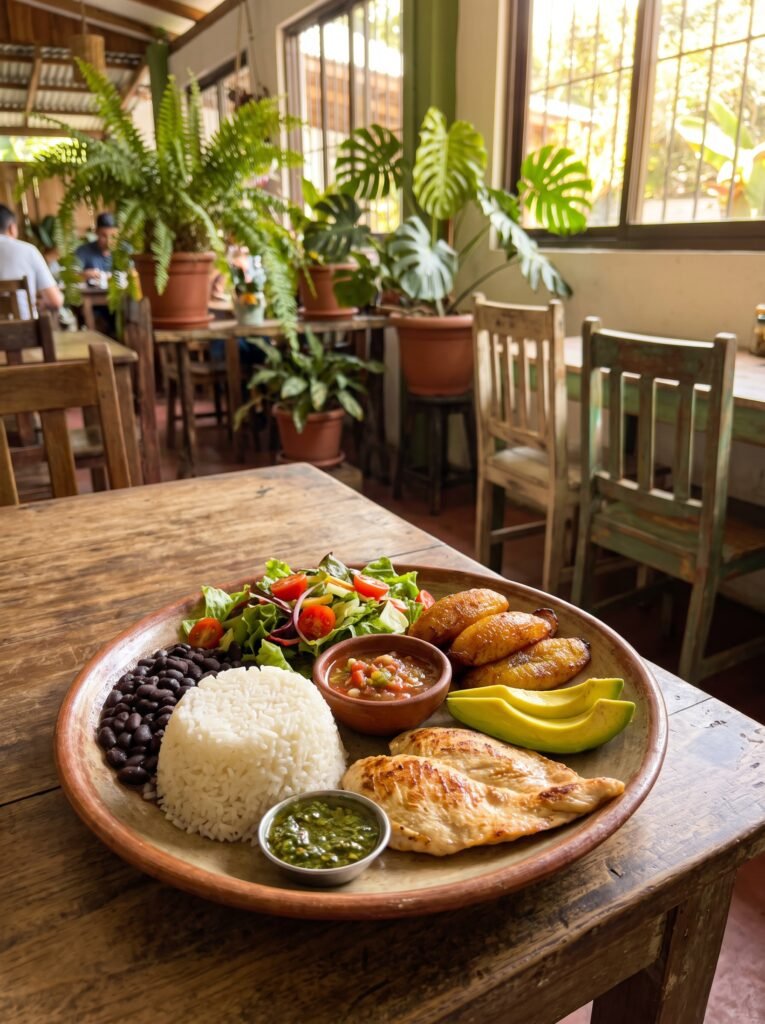
The casado is probably the most complete dish in Tico gastronomy. Its name refers to the idea of a balanced plate, much like a good marriage, with rice, beans, salad, fried ripe plantain and a protein of choice, which can be chicken, beef, fish or pork. Every soda, which is the local name for family run, affordable restaurants, has its own version, with distinct touches in the sauces and side dishes. Eating a casado in a neighborhood soda is, for many, the best way to understand local culture.
Olla de Carne, the family gathering dish
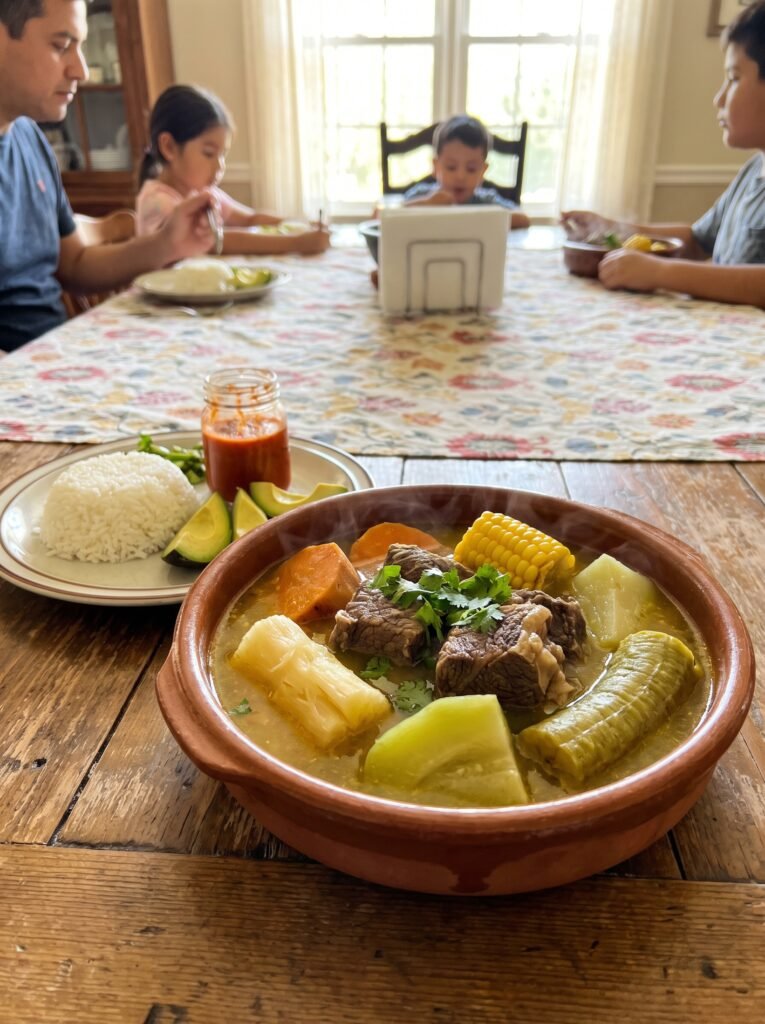
Olla de carne is a hearty soup that brings together beef, yuca, potato, sweet potato, green plantain, corn and chayote, all slowly cooked until reaching a deep and comforting broth. It is traditionally prepared on Sundays, when families gather around the table. It is served with rice and spicy sauce, and usually comes with a generous portion of avocado.
Tamales, a December tradition
Although they can be found throughout the year, tamales reach their peak popularity in December, when families gather to prepare them in large batches. They are made with corn dough, filled with pork or chicken, rice, chickpeas, potatoes and carrots, carefully wrapped in plantain leaves and steamed. The process of assembling tamales is itself a social tradition, one that brings together several generations of the same family.
Chifrijo, the snack born in a bar
Chifrijo is a relatively recent invention, but it has become one of the most popular dishes to enjoy alongside a cold beer. It combines beans, fried pork rinds, rice, pico de gallo, avocado and tortillas or tostadas, all served together in a single bowl. Its name comes from joining the words chicharrón and frijoles, and today it can be found in almost any bar or restaurant across the country.
Ceviche, Tico style
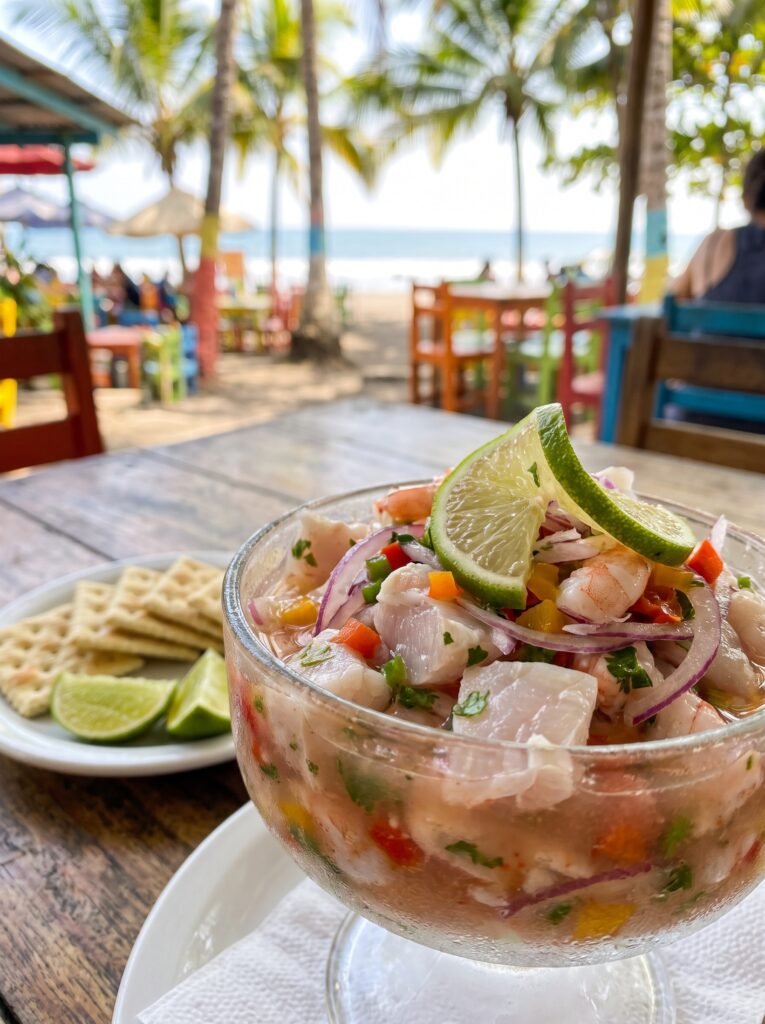
Costa Rican ceviche stands out for being prepared with fresh fish or shrimp, marinated in lime juice, accompanied by onion, cilantro, sweet pepper and, at times, a touch of hot sauce. Unlike other versions found in the region, Tico ceviche is usually served with soda crackers, a simple combination that turns out to be surprisingly addictive.
Empanadas and other soda favorites
Costa Rican empanadas, made from fried or baked corn dough, are traditionally filled with cheese, mashed potato, beans or meat. They make a perfect mid morning snack and can be found in almost any bakery or soda. Alongside them sit other classics such as the arreglado, a bread roll filled with meat, lettuce and sauces, and tortas de pan, ideal for a quick breakfast.
Arroz con Pollo and Sopa Negra
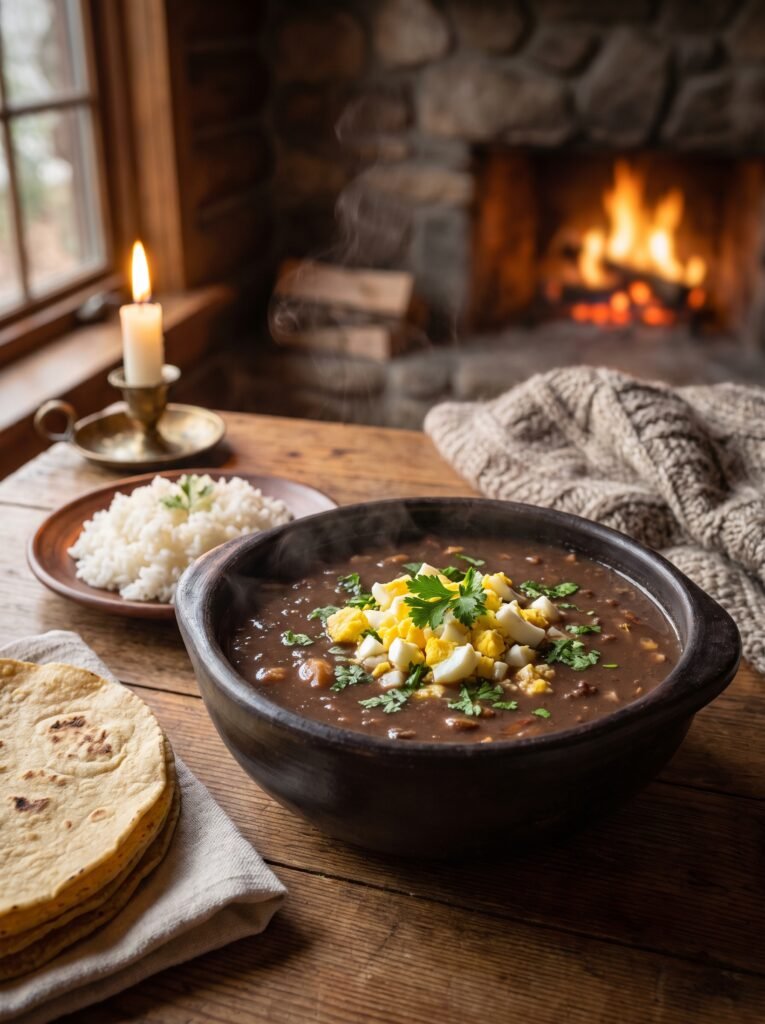
Tico style arroz con pollo is prepared with finely chopped vegetables, achiote and spices, achieving a color and flavor that set it apart from other Latin American versions. Sopa negra, meanwhile, made from black beans, is served with chopped hard boiled egg and rice, and is a comforting dish commonly enjoyed on cold nights in the country’s highland areas.
Tropical fruit and refreshing drinks
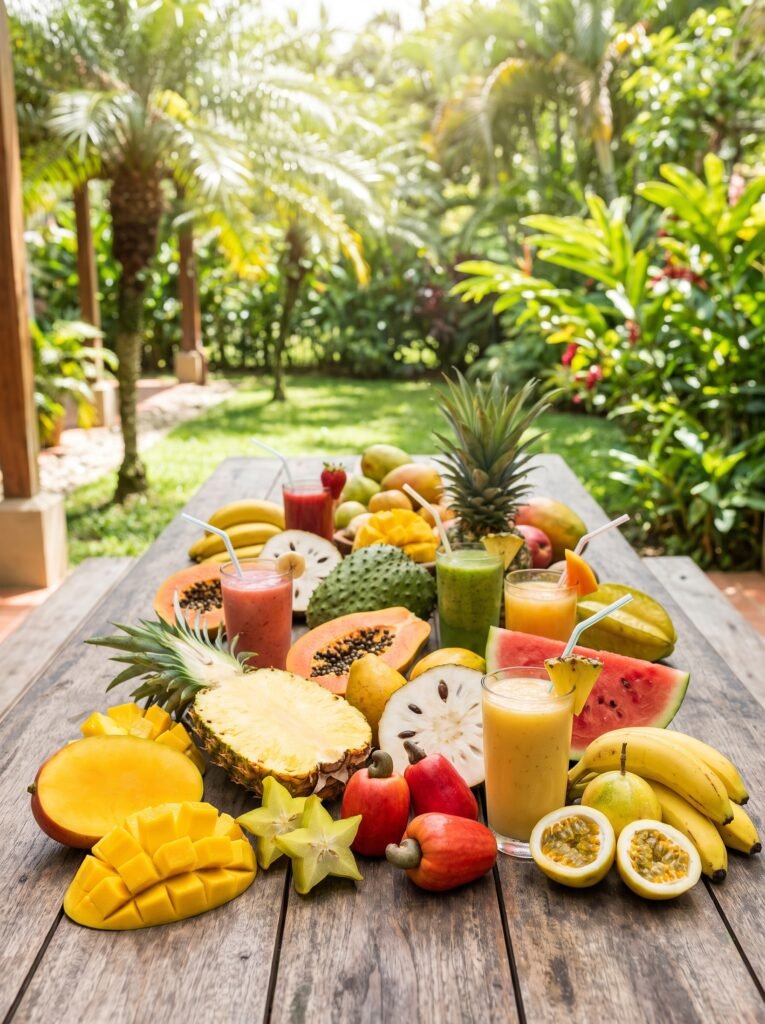
Costa Rica offers an enormous variety of fruit, mango, pineapple, papaya, soursop, star fruit and cas, among many others. These fruits are enjoyed fresh, blended into smoothies or turned into natural drinks known locally as frescos. Resbaladera, made with morro seeds, and agua dulce, prepared with raw cane sugar, are traditional drinks that reflect the Costa Rican taste for anything natural and homemade.
Coffee, national pride
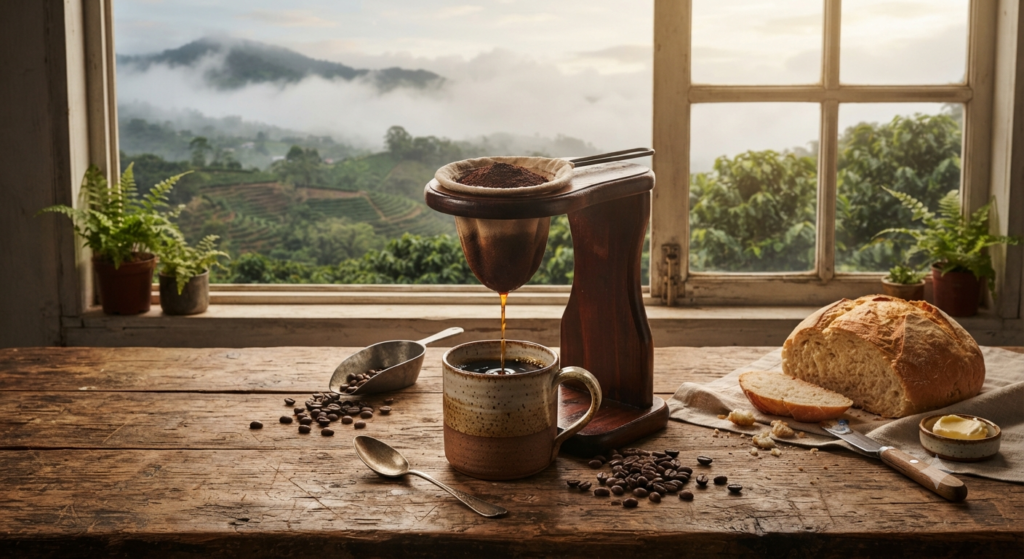
No guide would be complete without mentioning Costa Rican coffee, internationally recognized for its quality. Grown mainly in highland regions such as the Central Valley, Tarrazú and Monteverde, it is traditionally served through a chorreador, an artisanal method that uses a cloth bag to filter freshly ground coffee. Drinking coffee this way, paired with a piece of homemade bread, is an experience that connects directly with the everyday life of the country.
Desserts that sweeten the experience

Among the most beloved desserts are tres leches cake, coconut flan, cajeta milk fudge and churros filled with dulce de leche. Also popular is arroz con leche, prepared with cinnamon and raisins, and torrejas, typical of the Christmas season, made from bread soaked in a sweet syrup.
Tips for eating like a local
To enjoy this culinary experience authentically, it is best to visit family run sodas instead of limiting yourself to tourist restaurants, ask about the daily special and be willing to try local flavor combinations. Central markets in cities such as San José, Cartago or Heredia are also excellent places to discover fresh ingredients and freshly prepared dishes.
Street snacks and local fast food
Beyond the main dishes, it is easy to find street vendors across Costa Rica offering freshly fried churros, corn on the cob cooked with butter and salt, and cajeta wrapped in wax paper. At farmers markets, held on weekends in different neighborhoods, tamales, empanadas and natural drinks are also sold at affordable prices, turning these spaces into perfect meeting points for neighbors and visitors curious about the local food scene.
Conclusion
Costa Rican food is an invitation to get to know the country from the inside, with flavors that combine tradition, simplicity and enormous human warmth. Every dish tells a story of family, fieldwork and shared celebration. Whether you try gallo pinto in the morning, a casado at noon or a freshly brewed coffee in the afternoon, every bite will be a different way of getting to know Costa Rica and its people. Taking the time to explore these flavors, without rushing and with genuine curiosity, is perhaps the most honest way to understand why so many travelers end up falling in love with this small country full of flavor.
Related topics
What Is Gallo Pinto, and Why Costa Ricans Eat It Every Morning