
Costa Rica used to be the kind of destination where a traveler could stretch a modest budget across weeks of beach towns, forest hikes and fresh food without much anxiety. That version of the country still exists in certain corners, but it takes real effort to find. Anyone arriving in 2026 with expectations shaped by travel guides written five or ten years ago will encounter prices that land closer to Southern Europe than to the Central America they imagined. The question most visitors end up asking, usually after their first restaurant bill, is not how to save money but why things cost this much in the first place.
The most straightforward answer is dollarization. Costa Rica uses the colón as its official currency, but in practice the economy has been informally dollar pegged for decades. Hotels, rental cars, tours and real estate are almost universally priced in US dollars, and the exchange rate between the colón and the dollar has moved in ways that benefit businesses more than visitors. When the dollar weakens against the colón, imported goods get more expensive; when it strengthens, dollar priced services simply hold their price and absorb the margin. Either way, the tourist rarely benefits.
Land and property costs are a second major driver. The Pacific coast, from Guanacaste down through the Nicoya Peninsula and into Manuel Antonio, has seen sustained foreign investment for over two decades. North American and European buyers purchased land and built vacation rentals, boutique hotels and gated communities at a pace that permanently altered the local real estate baseline. A beach town that once housed fishing families and small sodas now operates on a cost structure built around international vacation rental yields. The restaurants, markets and services that remain near those areas price accordingly, because their own rent and operating costs reflect the same inflated real estate market.
Tourism infrastructure itself adds a significant premium. Costa Rica made a deliberate policy choice starting in the 1990s to pursue high value, low volume ecotourism rather than the mass market beach resort model adopted by neighbors like Cancún or the Dominican Republic. That strategy worked: the country built a global reputation for biodiversity, sustainability and responsible travel. The trade off is that the infrastructure supporting that reputation, private reserves, certified naturalist guides, small lodge operations with genuine sustainability commitments, is expensive to run and prices its experiences accordingly. A guided night hike in Monteverde costs what it costs partly because the guide holds a certification, the reserve pays into conservation funds and the lodge was built to minimize environmental impact.
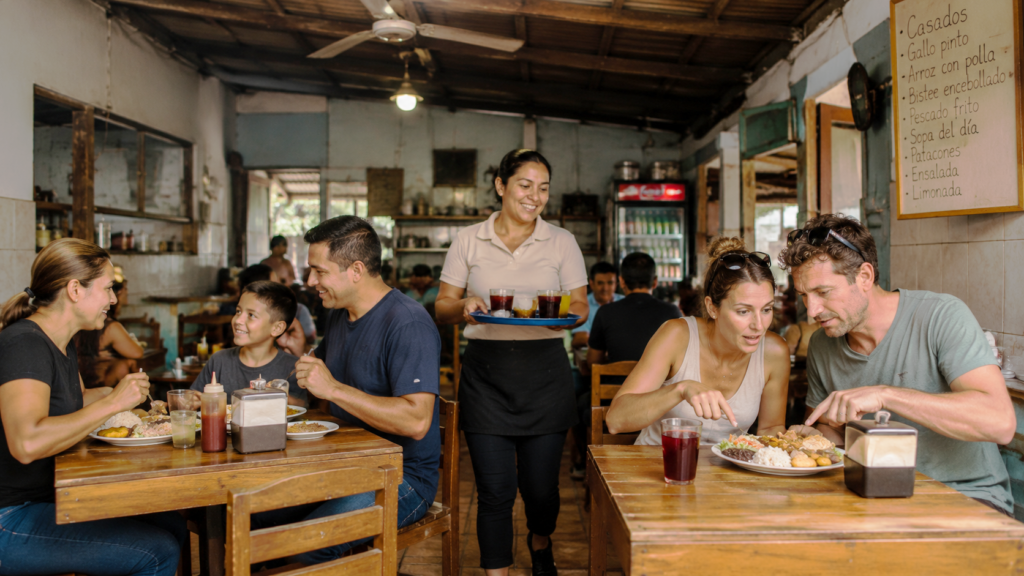
Food costs also surprise visitors who arrive expecting cheap tropical meals. Eating at a local soda, where a casado with a drink runs between three and six dollars, is still genuinely affordable. The problem is that many visitors, particularly those staying in tourist zones like La Fortuna, Tamarindo or Santa Teresa, never find those sodas because the streets around their hotels are lined exclusively with restaurants priced for international tourists. A plate of pasta or a burger in those areas can cost fifteen to twenty dollars without including a drink, prices that would not be out of place in Miami or Barcelona. The affordable food exists; it simply requires leaving the tourist corridor to find it.
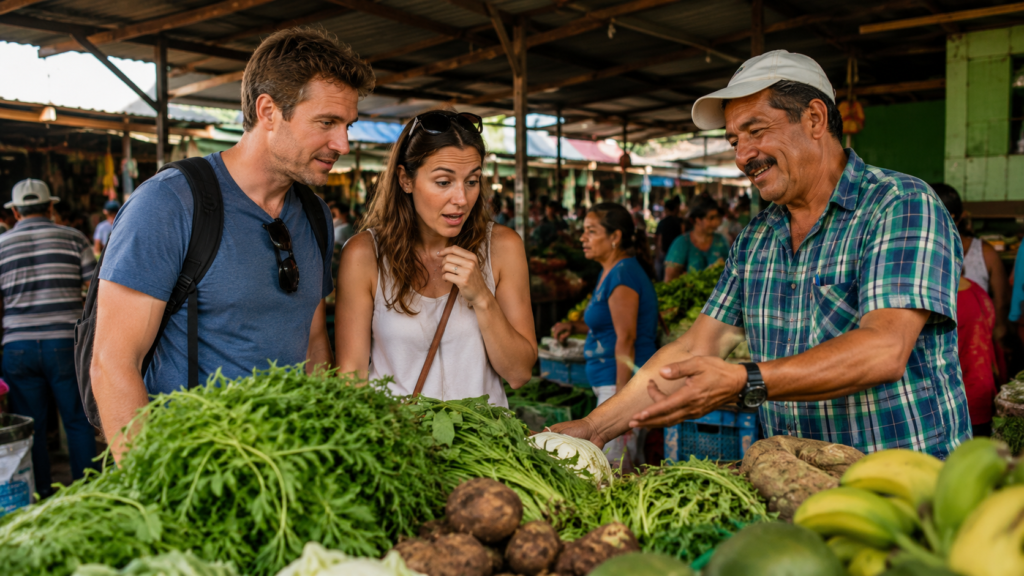
Groceries present their own complications. Costa Rica imports a substantial portion of its consumer goods, from electronics and appliances to packaged food products and wine. Import duties and logistical costs are passed directly to the consumer, which means a bottle of olive oil, a block of imported cheese or a box of breakfast cereal can cost significantly more than the same product would in the United States or Europe. Locally grown produce, beans, rice, plantains, tropical fruits and root vegetables remain reasonably priced in neighborhood markets and ferias, but a grocery cart filled with international brands or processed foods will produce a bill that catches most visitors off guard.
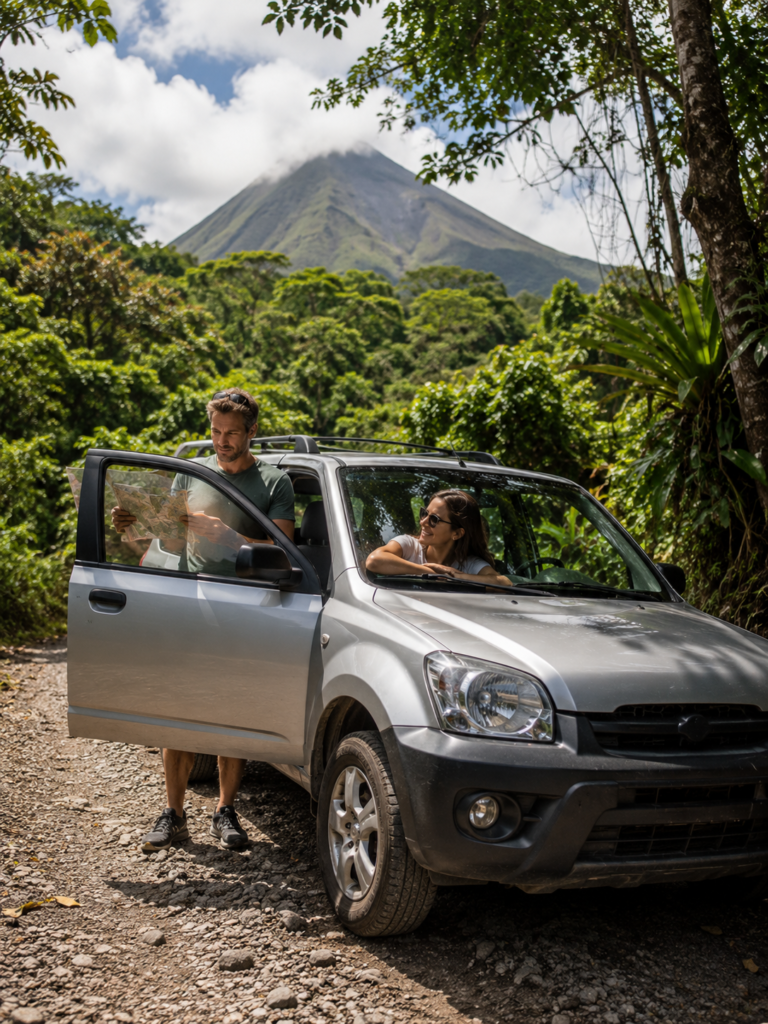
Transportation costs deserve mention as well. Renting a car, which is essentially mandatory for exploring anything beyond the main tourist circuits, involves not just the daily rate but mandatory insurance coverage that cannot be waived and is typically as expensive as the rental itself. Many visitors discover this at the rental counter, where the advertised daily rate doubles once full insurance is added. Fuel prices in Costa Rica are set by a government regulatory body and tend to run higher than in the United States, adding further cost to any road trip itinerary. Private shuttles between popular destinations offer convenience but charge accordingly; a shuttle from La Fortuna to Manuel Antonio costs roughly the same as a short domestic flight.
Healthcare and cost of living for residents tell a slightly different story. Costa Rica ranks among the most livable countries in Latin America, with universal public healthcare, strong environmental protections and a social safety net that keeps basic costs manageable for citizens. Many North American and European retirees have relocated here specifically because the combination of quality of life and overall costs remains favorable compared to their home countries. What they experience is not the same Costa Rica that a two week tourist encounters; they shop at farmers markets, use the public healthcare system and have learned which local services to use versus which to avoid.
Understanding this gap between resident life and tourist experience is perhaps the most useful lens for any visitor trying to manage a budget. Costa Rica is not uniformly expensive; it is selectively expensive in the places and services built specifically to serve foreign visitors. The same country that charges forty dollars for a canopy tour also charges two dollars for a bus ride between towns. The same nation where a beachfront restaurant charges twenty dollars for a fish plate has a market two blocks away where the same fish was sold fresh that morning for a fraction of the price.
The timing of a visit matters more than most travelers realize. Prices across hotels, rental cars and tours in Costa Rica follow a clear high and low season pattern. The dry season, running roughly from December through April, brings the highest prices of the year in most Pacific coast destinations, with Christmas and Easter weeks reaching their peak. The green season, from May through November, brings genuine discounts of twenty to forty percent on accommodation and tours, along with emptier beaches and roads; the trade off is afternoon rain that tends to be short, heavy and followed by clear skies. Travelers with flexible schedules who plan around the green season often find a considerably more affordable version of the same country.
For travelers willing to move slightly outside the tourist infrastructure, stay in locally owned guesthouses, eat where menus are written in Spanish for local customers and use public buses for at least some legs of the journey, Costa Rica remains a country where a week of genuine experiences does not require an outsized budget. For those who stay within the polished tourist circuit from arrival to departure, the price tag will continue to reflect a destination that has spent thirty years positioning itself as a premium experience, and has largely succeeded.
Related Articles
How Costa Ricans Really Feel About Tourists