
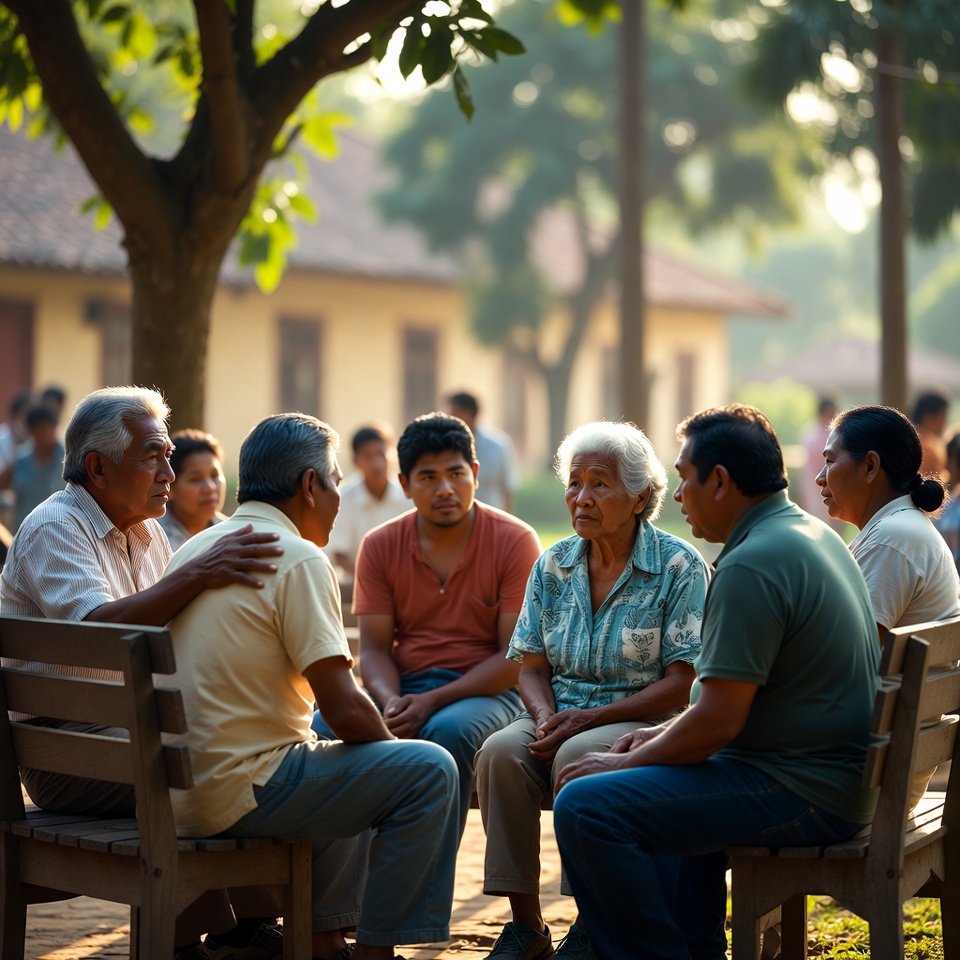
In Costa Rica, emotional intelligence is not a trendy concept imported from psychology textbooks; it is a lived reality woven into everyday life. Long before researchers defined emotional intelligence as the ability to recognize, understand, and manage emotions, Costa Ricans were practicing it through community values, family dynamics, and the philosophy of “Pura Vida.” To understand emotional intelligence in Costa Rican culture is to understand how empathy, respect, and social harmony shape the nation’s identity.
At the heart of Costa Rican society lies a deep commitment to peaceful coexistence. Since the abolition of the army in 1948, a historic decision led by former president José Figueres Ferrer, the country has invested heavily in education, healthcare, and democratic institutions. This political choice reinforced a cultural narrative that values dialogue over confrontation and collective well-being over aggression. Emotional intelligence thrives in such an environment because citizens grow up witnessing the power of communication and compromise.
The phrase “Pura Vida” is perhaps the clearest cultural expression of emotional awareness in Costa Rica. More than a greeting or a slogan, it reflects an attitude of optimism, resilience, and gratitude. When a Costa Rican says “Pura Vida,” they are often acknowledging life’s imperfections while choosing to focus on its beauty. This mindset demonstrates emotional regulation and perspective—core components of emotional intelligence. It allows individuals to navigate challenges with calm and maintain strong interpersonal relationships.
Family plays a central role in developing emotional intelligence in Costa Rican culture. From an early age, children are taught to greet elders respectfully, to listen attentively, and to consider the feelings of others. Sunday gatherings, shared meals, and multigenerational households create environments where empathy is constantly practiced. Emotional expression is encouraged but balanced with a sense of collective harmony. Disagreements are usually resolved through conversation rather than open conflict, reinforcing skills in emotional management and negotiation.
Community life further strengthens these emotional competencies. In small towns and urban neighborhoods alike, social networks are tight-knit. Neighbors know one another, support local businesses, and gather for fiestas cívicas, religious celebrations, and school events. These shared experiences foster social awareness and cooperation. In moments of crisis—whether natural disasters or personal hardships—Costa Ricans often mobilize quickly to help one another. This collective response highlights a deeply ingrained capacity for empathy and solidarity.
Costa Rica’s rich cultural diversity also contributes to emotional intelligence. The Afro-Caribbean heritage of Limón, the traditions of Indigenous communities, and the influence of Spanish colonial history have blended into a society that values respect for different identities. Exposure to diverse customs and perspectives encourages adaptability and open-mindedness. In classrooms and workplaces, collaboration across backgrounds is common, reinforcing cultural sensitivity and interpersonal understanding.
Education has been another key driver. With one of the highest literacy rates in Latin America, Costa Rica prioritizes not only academic learning but also civic values. Schools often emphasize cooperation, environmental stewardship, and social responsibility. Programs that promote conflict resolution and community service reflect the country’s broader cultural emphasis on emotional and social skills. Students are not only taught to excel individually but to contribute meaningfully to society.
Workplace culture in Costa Rica also mirrors these values. Professional relationships tend to be warm and personal, with an emphasis on trust and long-term collaboration. While efficiency and productivity are important, maintaining respectful communication is equally valued. Leaders who demonstrate empathy and fairness are often more admired than those who rely solely on authority. This approach aligns closely with global discussions about emotional intelligence in leadership, yet it feels organic within the Costa Rican context.
Even Costa Rica’s relationship with nature reveals emotional awareness. With more than 25 percent of its territory protected as national parks and reserves, the country has cultivated a strong environmental ethic. This commitment reflects a collective understanding of interconnectedness—between people, ecosystems, and future generations. Caring for the environment becomes an extension of caring for one another, reinforcing a holistic sense of responsibility and emotional consciousness.
In everyday interactions, Costa Ricans tend to prioritize kindness and courtesy. A simple “buenos días” to strangers, patient customer service, and the habit of softening criticism with humor or warmth all demonstrate subtle forms of emotional intelligence. These behaviors reduce social friction and create a sense of safety and belonging. Visitors often remark on the friendliness of the people, but what they are experiencing is a deeply rooted cultural practice of emotional attunement.
Emotional intelligence in Costa Rican culture is therefore not an abstract theory. It is embedded in history, family structures, education, community life, and environmental values. It manifests in the resilience behind “Pura Vida,” in the peaceful political tradition shaped by leaders like José Figueres Ferrer, and in the daily gestures of empathy that define social interaction.
To be Costa Rican is, in many ways, to cultivate emotional balance while nurturing connection. In a rapidly changing world, this cultural foundation offers a powerful reminder: progress is not only measured by economic growth or technological advancement, but by the ability of a society to understand and care for the emotions of its people.