
An Unfiltered Perspective from Everyday Costa Rican Life
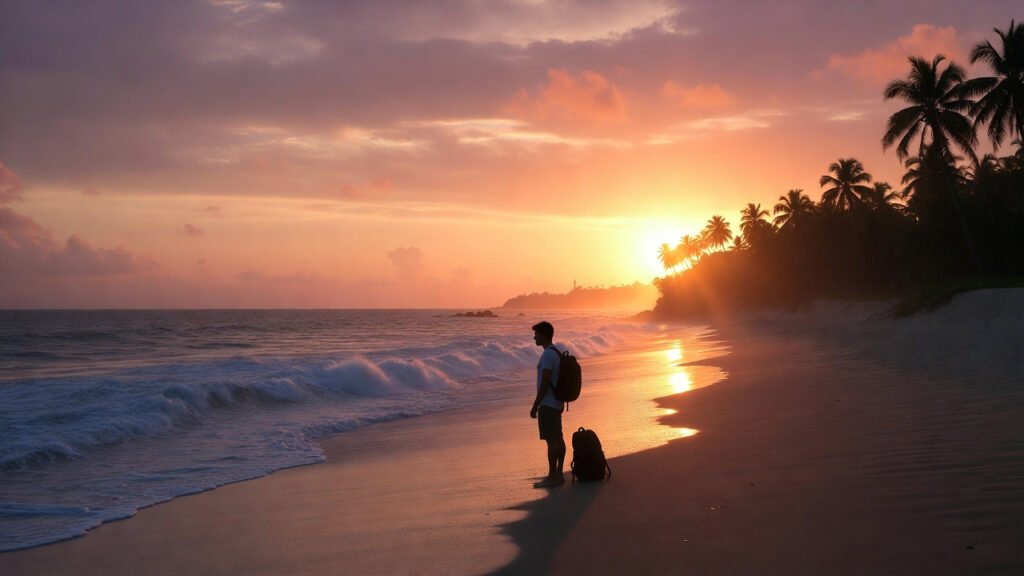
Costa Rica is not a dangerous country, but it is also not the perfectly protected bubble that tourism marketing often suggests. Safety here is not built on rigid rules or constant surveillance. It’s shaped by everyday awareness, social cues, and an understanding of how people actually live and move.
For someone traveling alone, that distinction matters far more than any global ranking.
The honest answer most locals would give
Yes, Costa Rica is generally safe for solo travelers, including those visiting Central America for the first time. But safety here doesn’t operate the same way it does in the United States or much of Western Europe. It depends less on systems and more on personal judgment.
Most travelers who run into trouble don’t do so because Costa Rica is violent. It usually happens because they assume the country works by the same unspoken rules as home, and it doesn’t.
What safety feels like from the inside
From a local point of view, Costa Rica is socially warm. People talk easily, offer help, and rarely feel threatening. Violent crime against tourists is uncommon, but petty theft exists and tends to appear in moments of distraction rather than confrontation.
Locals don’t frame this as “being careful.” It’s simply how daily life works. We don’t leave valuables visible in cars. We don’t walk through unfamiliar areas at night staring at our phones. We pay attention to our surroundings without making a big deal out of it.
Travelers who quietly adopt these habits often notice that Costa Rica feels less intimidating and more familiar than expected.
Walking alone: day versus night
Walking alone during the day is normal in most parts of the country, including many urban areas and tourist towns. At night, the dynamic shifts, particularly in larger cities. It’s not that Costa Rica becomes suddenly dangerous after dark, but locals adjust how they move.
In places like San José, even people who have lived there all their lives rarely walk long distances at night. They take a taxi, use Uber, or simply avoid certain areas. That choice isn’t driven by fear, but by habit and practicality. Solo travelers who mirror this behavior tend to avoid unnecessary tension.
Moving around and public transportation
Public transportation in Costa Rica is widely used and generally safe, but it’s designed for locals, not visitors. Buses are functional and affordable, though they require attention. Most problems occur when travelers appear distracted or unfamiliar with their surroundings.
Theft on public transport is usually subtle, not aggressive. Uber has become part of everyday life in many regions and is often the most comfortable option for solo travelers, especially in the evenings or when navigating unfamiliar areas.
Why safety feels different depending on the province
One of the most common mistakes when talking about safety in Costa Rica is treating the country as culturally uniform. It isn’t. Each province has its own rhythm, and that affects how safe a place feels to someone traveling alone.
Guanacaste tends to feel open and relaxed. Communities are accustomed to visitors, and the pace of life is slower. Solo travelers often find it easy to settle in. When issues arise, they usually stem from overconfidence rather than crime, such as leaving belongings unattended at the beach.
Limón, on the Caribbean coast, is often misunderstood. It is culturally rich and deeply local, with a different rhythm from the rest of the country. In places like Puerto Viejo or Cahuita, solo travel is common and generally comfortable during the day. Difficulties tend to appear when travelers ignore local context or move around unfamiliar areas at night without understanding how the community functions.
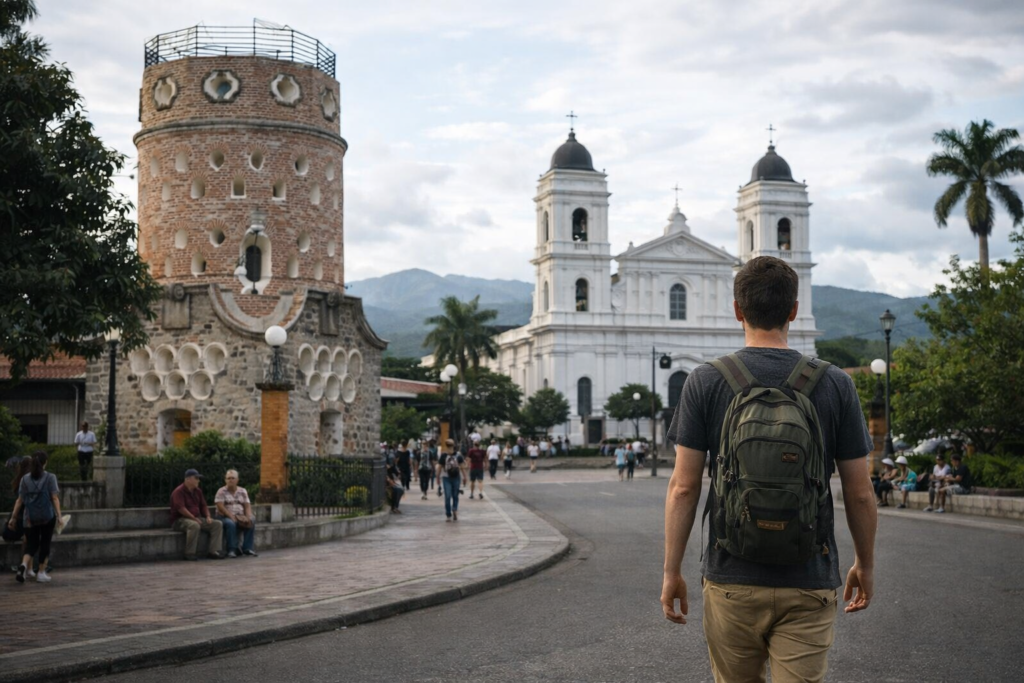
Heredia rarely appears in travel conversations, yet from a local perspective it is one of the calmer places to experience everyday Costa Rican life. With its university atmosphere and residential neighborhoods, it often feels more predictable and grounded than tourist-heavy destinations. For solo travelers looking for something quieter and more authentic, it can feel surprisingly welcoming.
Social dynamics, small scams, and reading the room
Costa Rica is not known for elaborate scams, but small patterns exist. Prices may rise slightly when someone senses uncertainty. Help may be offered with an unspoken expectation. None of this is unique to Costa Rica, but the country’s conversational nature can make these moments less obvious.
Being friendly is normal here. Trust, however, is built more slowly. Locals understand that distinction instinctively. Travelers usually learn it by observing, not being warned.
A note for women traveling alone
Costa Rica is often considered one of the more comfortable countries in the region for women traveling solo. Still, cultural differences exist. Occasional comments or attention can happen. Physical harassment is uncommon, but verbal interactions may feel unfamiliar.
Local women navigate this with confidence and clear boundaries. For visitors, understanding that these moments are usually social rather than threatening helps keep them in perspective.
The mistake that causes most discomfort
The biggest mistake solo travelers make isn’t choosing the wrong place. It’s assuming Costa Rica operates under the same social rules as home. Safety here is informal and situational. It depends on observation, timing, and adjusting expectations.
When travelers do that, Costa Rica doesn’t just feel safer. It feels more honest and more human.
So, is Costa Rica safe for solo travelers?
From a local and realistic perspective, yes, as long as safety is understood as an ongoing interaction rather than a guarantee. The solo travelers who enjoy Costa Rica the most are those who pay attention to how locals move, resist both fear and romanticization, and allow themselves to adapt.
Costa Rica isn’t a place that demands fear, but it does require awareness. When that balance is found, traveling alone here often becomes less about staying safe and more about feeling connected.